
What does adjunctive neuroprotection mean outside clinical care?
What does adjunctive neuroprotection mean outside clinical care?
Adjunctive neuroprotection outside clinical care refers to practical, non-invasive ways to reduce the risk of further brain injury in everyday life, used alongside standard medical care and support. In simple terms, it means taking steps to limit exposure to head impacts and damaging head impact forces during daily activities, particularly for people who may be more vulnerable due to seizures, falls, or previous brain injury.
For many individuals and caregivers, brain injury risk does not end after diagnosis, treatment, rehabilitation or recovery. Daily life can still involve unpredictable head impacts, which is where adjunctive neuroprotection outside clinical settings becomes relevant.
What does adjunctive neuroprotection look like in everyday life?
Outside hospitals or clinics, adjunctive neuroprotection focuses on risk reduction rather than treatment. It describes actions and tools that support brain safety during normal daily activities, without replacing medical care.
In practice, this can include:
- Reducing fall risk through environmental adaptations at home, school or work
- Modifying activities during periods of increased vulnerability
- Using protective measures during daily movement or participation
- Wearing certified protective equipment during everyday life
These approaches do not diagnose, treat, or cure any condition. Instead, they support efforts to reduce exposure to brain injury risk during routine activities.
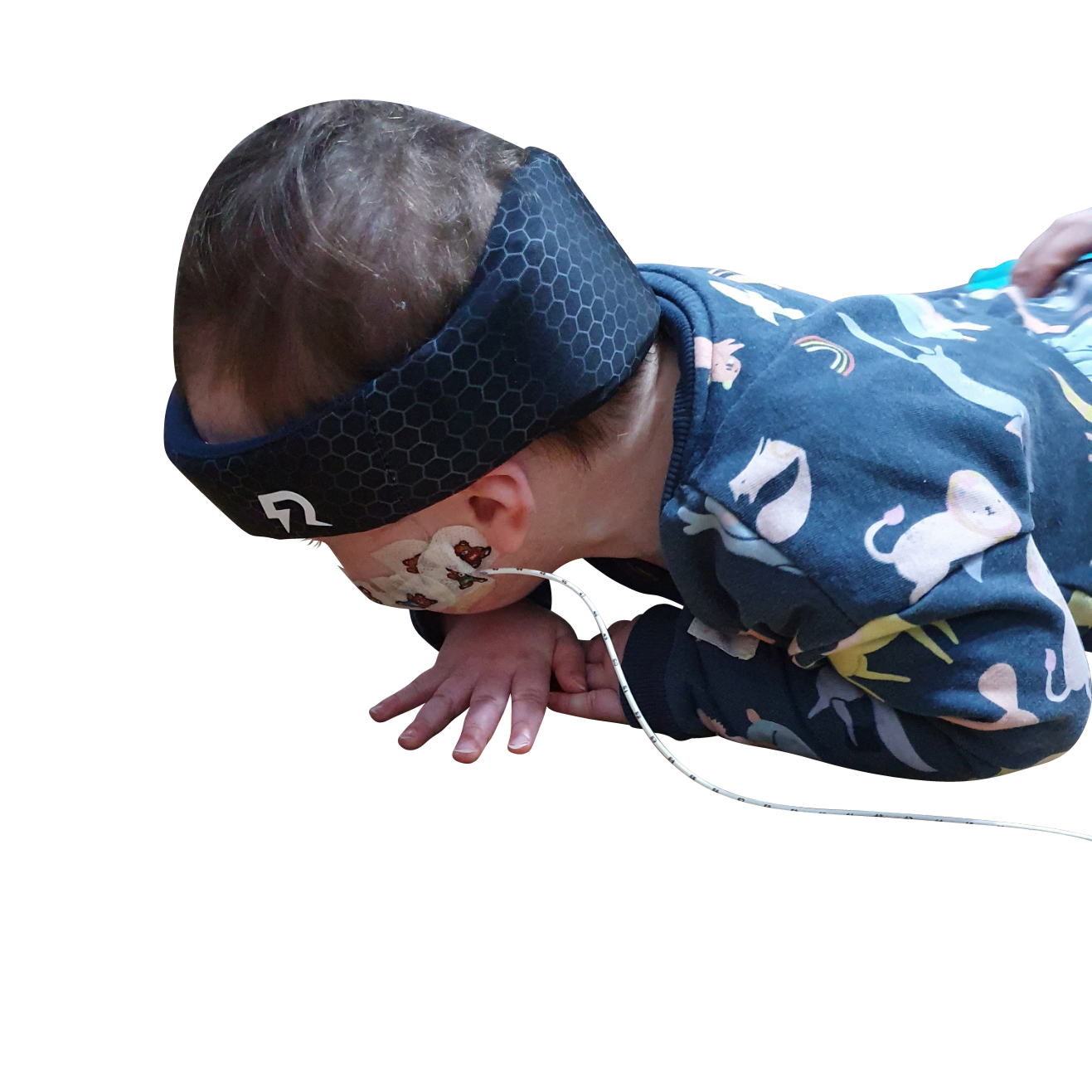
How head protection fits into adjunctive neuroprotection
One of the most direct ways to reduce brain injury risk in everyday life is to reduce the forces transmitted to the brain during head impacts.
Research shows that rotational forces, which occur when the head is struck or moves suddenly, are most strongly associated with concussion and other forms of brain injury. These forces cause the brain to rotate inside the skull. This is associated with tearing of tiny blood vessels, and brain cells resulting, over time, in the breakdown of the blood-brain barrier and the creation of damaging neuro-inflammation [2].
Head protection designed to reduce rotational force transmission can therefore play a role in adjunctive neuroprotection outside clinical care, particularly for individuals who experience seizures, falls, or repeated head impacts. Even small force impacts, sub-concussions, involve rotational forces and cause cumulative damage to the brain.
Why CE/UKCA PPE certification matters in everyday neuroprotection
Not all head protection is designed or tested to reduce brain injury risk. When head protection is used as part of everyday risk reduction, PPE certification is critical.
In Europe and the UK, products marketed with injury-reduction claims must comply with personal protective equipment (PPE) regulations. CE and UKCA Category II PPE certification indicates that a product has been independently assessed to reduce risks from impacts that could cause serious injury beyond superficial cuts or abrasions [3].
Certification helps families and caregivers distinguish between products that offer comfort or padding against those that have been independently tested to provide meaningful protection against damaging impact forces.
An example of adjunctive neuroprotection in daily life
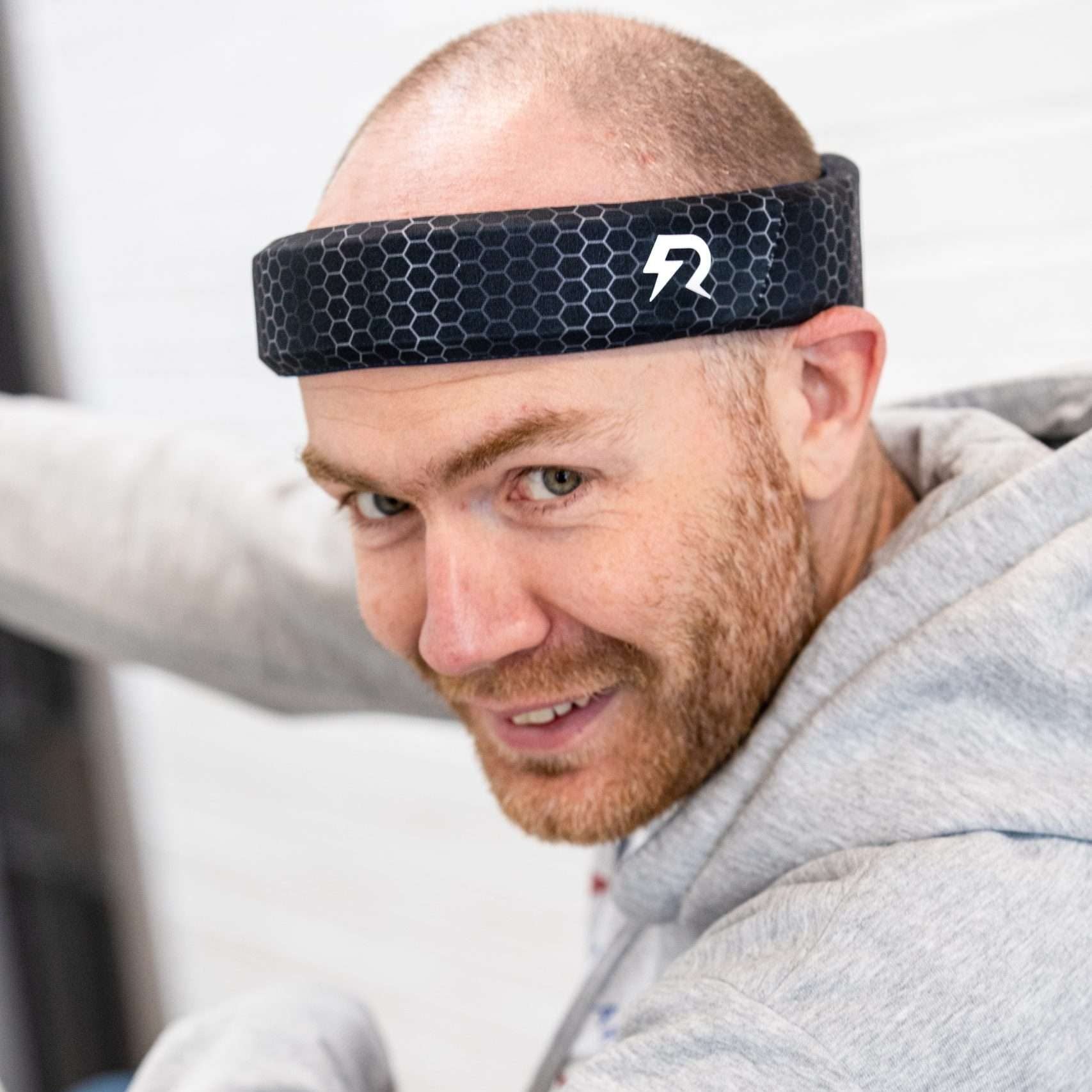
Rezon Halos® is an example of adjunctive neuroprotection outside clinical care. It is a CE/UKCA Category II PPE-certified protective headband designed to reduce the transmission of rotational forces to the brain during head impacts.
Halos® focuses on protecting the areas of the head most associated with rotational injury risk, including the back, sides, and front. Independent testing has shown that Rezon Halos® can:
- Reduce concussion risk from head impacts by up to 74%
- Reduce rotational force transmission by at least 60% [3]
These results are based on independent testing conditions and support its use as supportive protection alongside medical care, not as a treatment or diagnostic tool. Unlike many other products sold as injury protection, Halos® is sleek, stylish, lightweight, and designed for everyday wear for all ages, including during sleep and when swimming or bathing.
Where the term “adjunctive neuroprotection” comes from
In clinical medicine and research, the term adjunctive neuroprotection is most often used to describe therapies or interventions used alongside primary treatment to help limit secondary brain injury. It commonly appears in research related to stroke, traumatic brain injury, and hypoxia [4].
Outside clinical care, the term is used descriptively to reflect the same underlying idea: supporting brain safety alongside medical treatment.

Who might consider adjunctive neuroprotection outside clinical care?
Adjunctive neuroprotection may be relevant for individuals of all ages who face an increased risk of head impacts in daily life, including those living with:
Frequently asked questions about neuroprotection
Supporting informed choices about brain safety
Adjunctive neuroprotection outside clinical care is about reducing risk in everyday life, not replacing medical treatment. By understanding how non-invasive measures such as certified PPE head protection fit alongside healthcare, individuals and caregivers can make more informed choices about brain safety.
Certified category II PPE such as Rezon Halos® offers a discreet, evidence-based option for people seeking to reduce exposure to head impact forces during daily activities, while continuing to rely on medical care, therapy, and personalised safety planning as appropriate.
Author: Alex Reily
