
Why are people with autism at higher risk of head injury?
Why are people with autism at higher risk of head injury?
People with autism may face a higher risk of head injury due to a combination of sensory processing differences, coordination or balance challenges, impulsive movements, repetitive behaviours such as head banging, and higher rates of co-occurring conditions, including epilepsy. These factors can increase the likelihood of accidental head impacts during everyday activities. Understanding why this risk exists can help individuals, families, and caregivers consider appropriate strategies to reduce the likelihood of further brain injury.
Autism-related factors that can increase head injury risk
Autism is a spectrum, and experiences vary widely between individuals. Autism itself does not cause injury, but certain characteristics can increase exposure to situations where head impacts are more likely.
These factors can include:
- Sensory processing differences, which may affect spatial awareness or perception of surroundings
- Reduced recognition of environmental hazards, such as obstacles or uneven surfaces
- Balance or motor coordination differences, which can increase the likelihood of falls
- Impulsive or unbraced movements, meaning the head may not be protected during a stumble or collision
Clinical guidance recognises that autistic individuals may experience differences in sensory integration and motor coordination that affect day-to-day safety, particularly in busy or unfamiliar environments [1].

Co-occurring conditions that further increase risk
Autism frequently co-occurs with other neurological or developmental conditions that can independently increase head injury risk.
One of the most significant is epilepsy, which is more common in autistic individuals than in the general population. Seizures can involve sudden loss of consciousness, falls, or reduced ability to protect the head, increasing the likelihood of head impacts [3].
Other co-occurring factors may include:
- Motor disorders or dyspraxia
- Visual impairment
- Reduced muscle tone or coordination challenges
When these conditions are present, head injury risk may be higher during routine daily activities. For a more detailed discussion of seizure-related risk, see Do seizure helmets work to reduce the risk of head injury?
Why everyday head impacts matter more than people realise
Many people associate head injury with dramatic accidents. In reality, most head injuries occur during everyday activities, such as falls from standing height or accidental collisions at home, school, or in the community.
Importantly, brain injury risk is not determined only by whether there is visible injury. In every high and small force head impact, there are rotational forces, which play a major role in how the brain is injured.
These forces cause the brain to rotate within the skull, contributing to shearing of brain cells, breakdown of the blood-brain barrier, and neuro-inflammation [4].
Because everyday falls and collisions can involve rotational brain movement, even head impacts that appear minor on the surface are still relevant to brain injury risk.
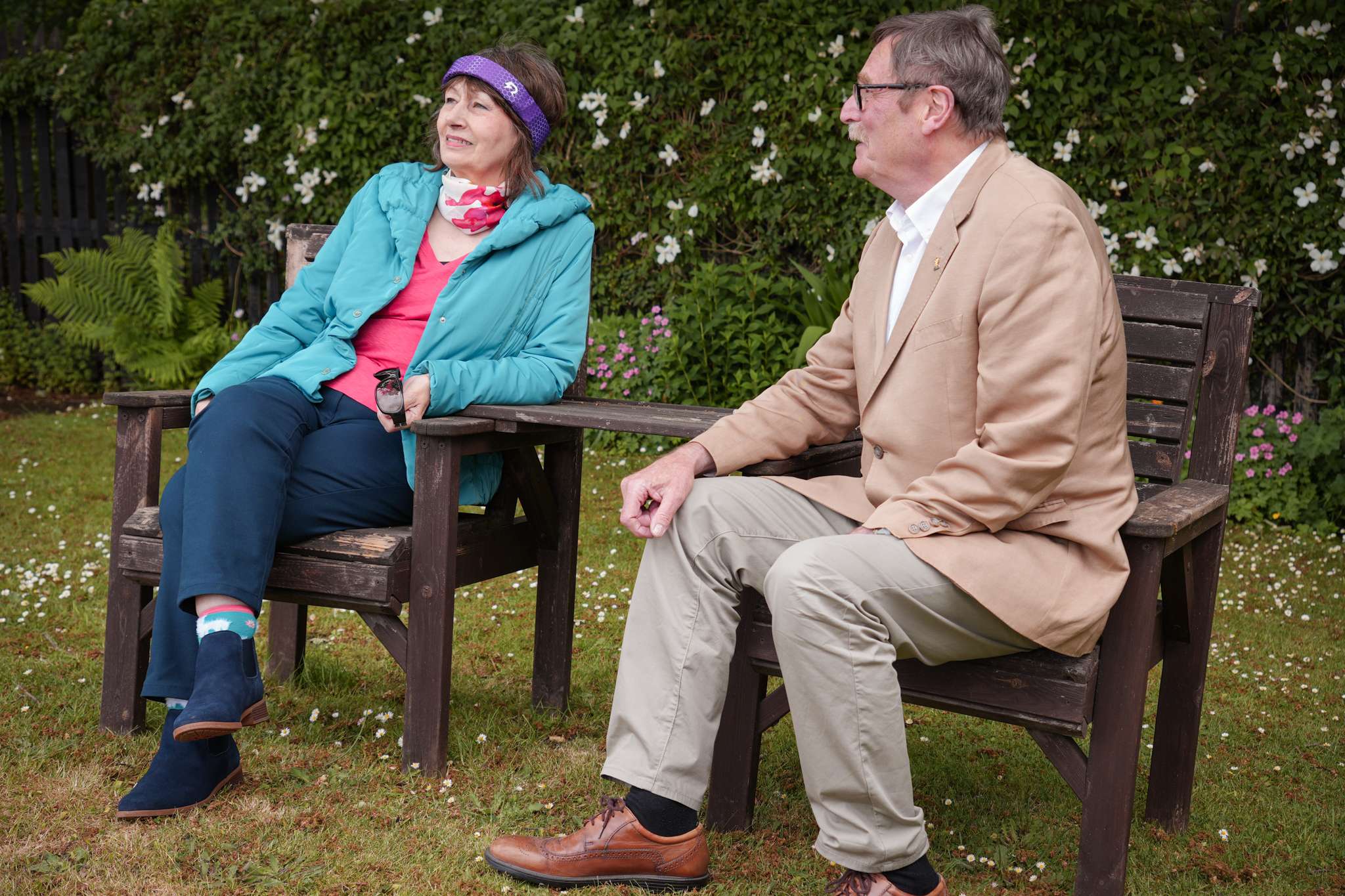
When might autism head protection be considered?
Autism head protection may be considered where a child or adult has repeated head impacts from head banging, falls, poor balance, collisions, reduced hazard awareness or co-occurring conditions such as epilepsy. A protective headwear decision should consider the person’s sensory needs, impact pattern, comfort, fit and wider clinical or behavioural support.
Learn more about safety-certified autism head protection and special needs helmet alternatives.
How head protection may support risk reduction in autism
For some autistic individuals, head protection may be considered as part of a broader risk-mitigation approach, particularly where frequent falls, repetitive head impacts, or seizure-related risk are present.
Head protection does not treat autism, change behaviour, or replace medical or therapeutic care. Its role is to offer protection during head impacts.
Headworn protection designed for daily life is optimised when it:
- Can be worn comfortably for extended periods
- Is discreet and does not draw unwanted attention
- Is compatible with sensory needs, glasses, or hearing aids
- Has been independently tested and legally certified as Personal Protective Equipment (PPE)
For an overview of discreet daily-wear options, see What head protection options are available for people with autism?
Why PPE certification matters for everyday head protection
Not all headworn protection products marketed for “special needs” or “medical use” are legally safety certified to reduce brain injury risk. In the UK and Europe, protective headwear intended to reduce injury risk must comply with Personal Protective Equipment (PPE) regulations and hold appropriate CE or UKCA certification.
Certified PPE indicates that a product has been independently assessed against defined safety standards, rather than simply offering padding or wearer comfort. For a detailed explanation, see What counts as certified head protection in the UK and Europe?
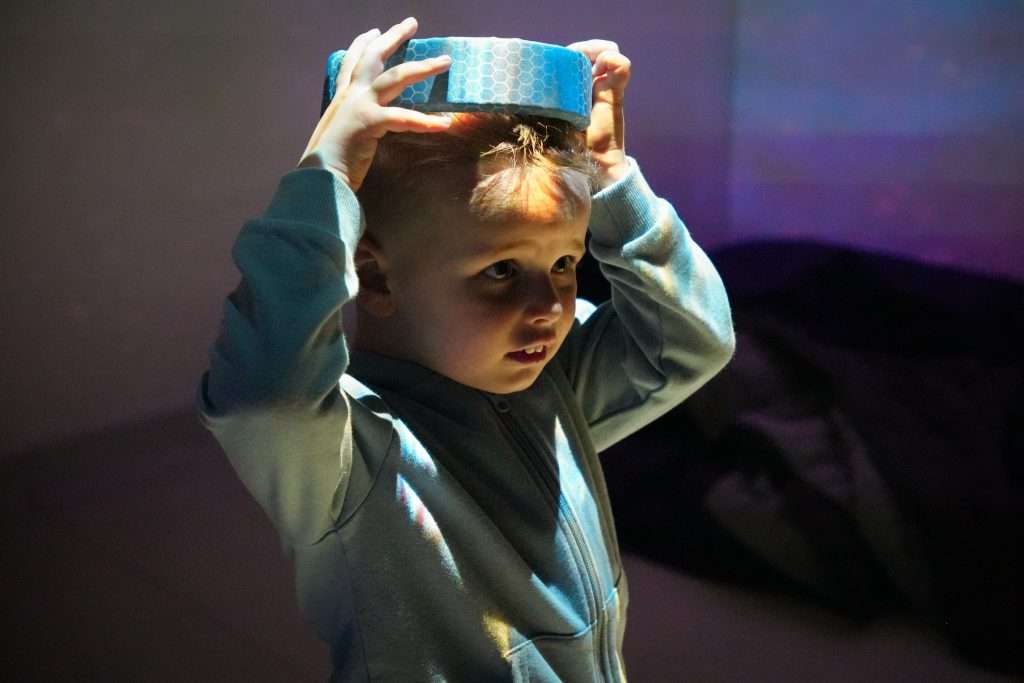
Supporting safety, comfort, and dignity
Any approach to safety must respect the dignity, comfort, and autonomy of autistic individuals. Bulky or intrusive headgear may be poorly tolerated, particularly for those with sensory sensitivities and in younger wearers, which can reduce consistent use.
Discreet, lightweight protection designed for everyday life is likely to be easier to integrate into normal routines, supporting safety without restricting participation or independence.
Frequently asked questions about safety certified head protection
Supporting safer daily life with autism
Head injury risk in autism is shaped by how individuals interact with their environment, not by autism itself. By understanding why risk may be higher and how everyday head impacts occur, individuals and caregivers can make more informed choices that support safety, comfort, and independence.
Appropriately CE/UKCA PPE certified head protection can play a role in reducing the risk of further brain injury during daily life, alongside existing care, support, and personalised planning.
Explore evidence-based brain protection for medical use here.
Author: Alex Reily
