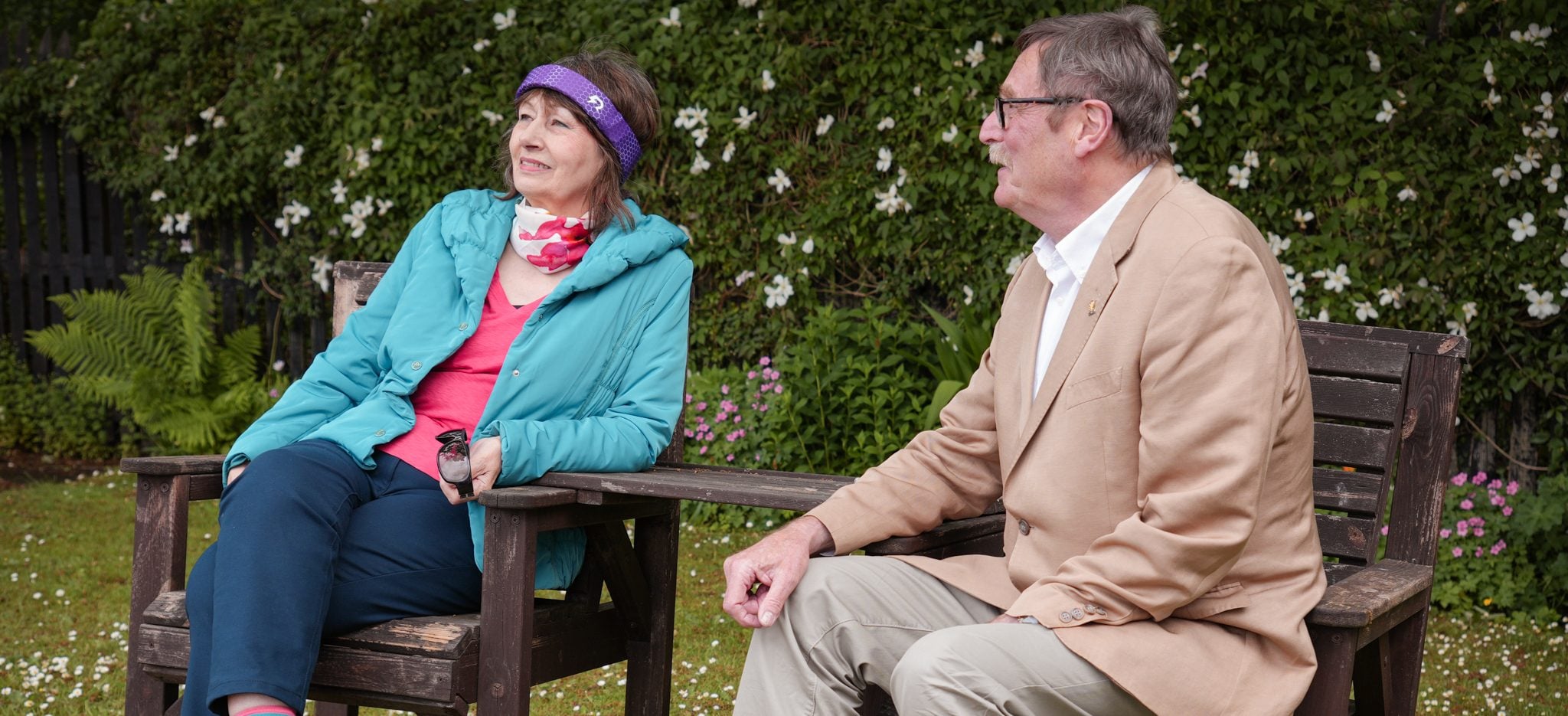
 By Judith McMinnPublished On: 05/08/2026
Learn what to look for in head protection after a stroke, including independent testing, credible certification and discreet everyday design.
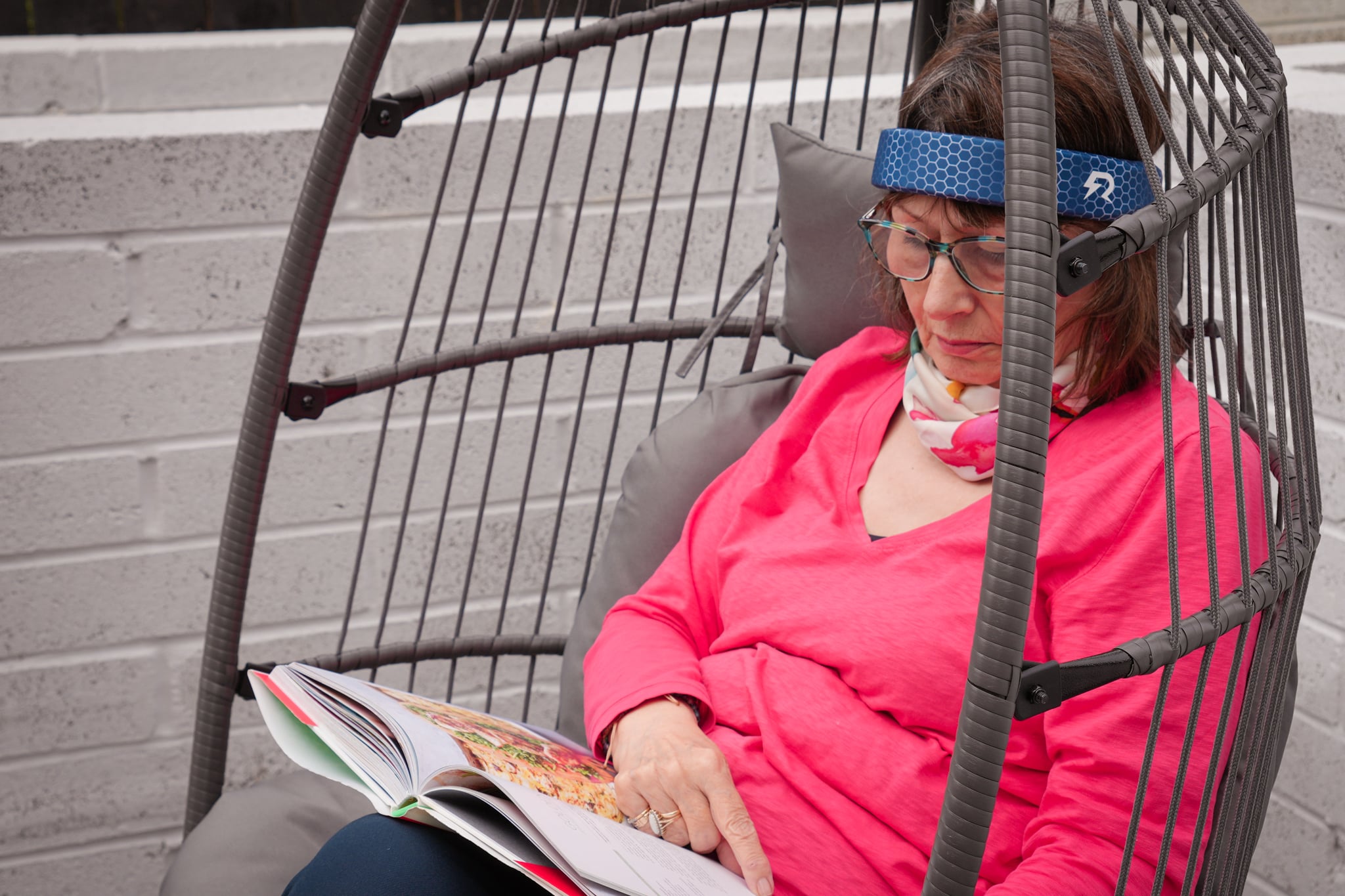 By Judith McMinnPublished On: 16/07/2026
Safety-certified head protection for post-brain surgery protection, designed to reduce the linear and rotational forces in head impacts.
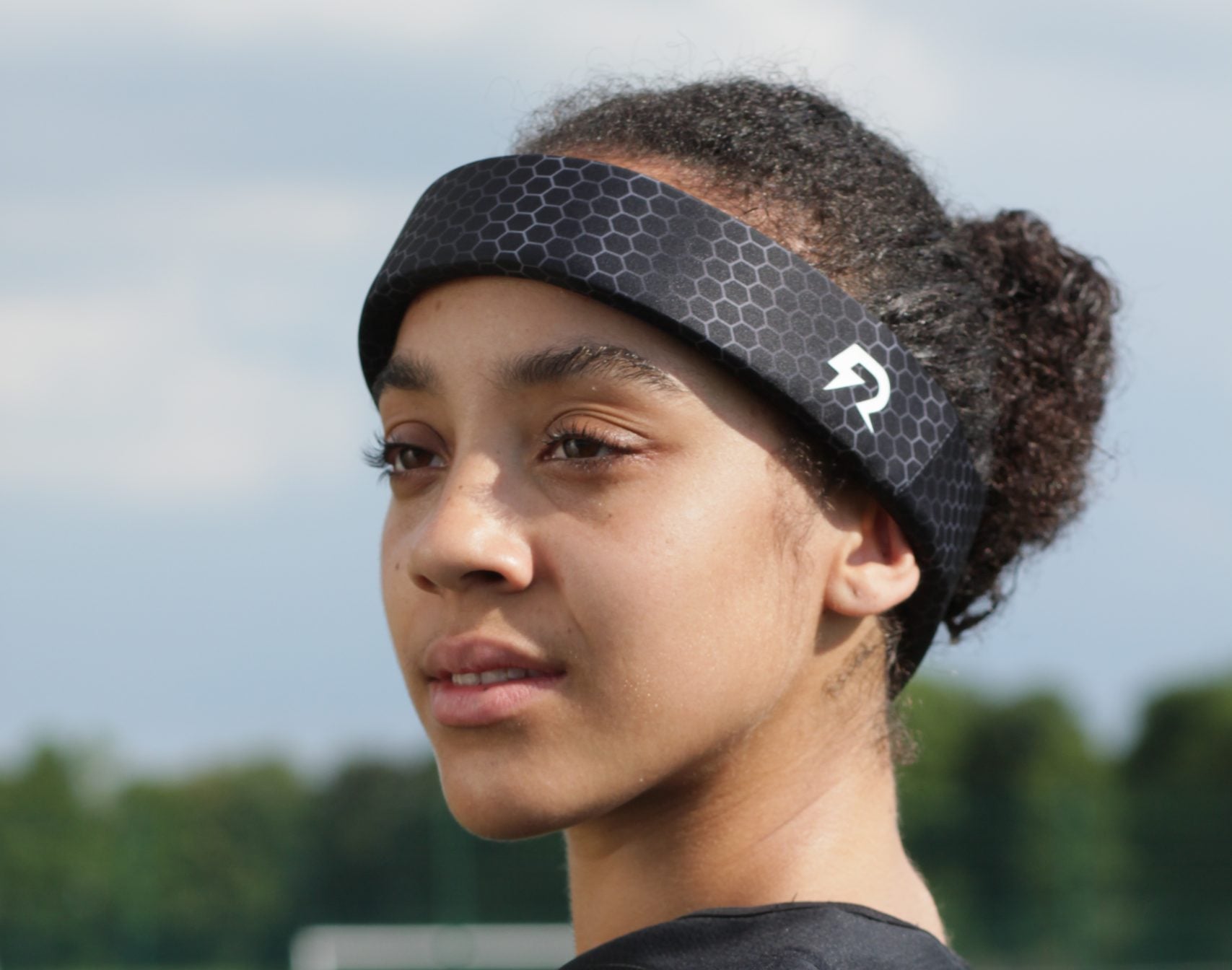 By Alex ReilyPublished On: 25/06/2026
How to choose a medical helmet for hot weather, balancing staying cool, hygiene, comfort and credible head protection.
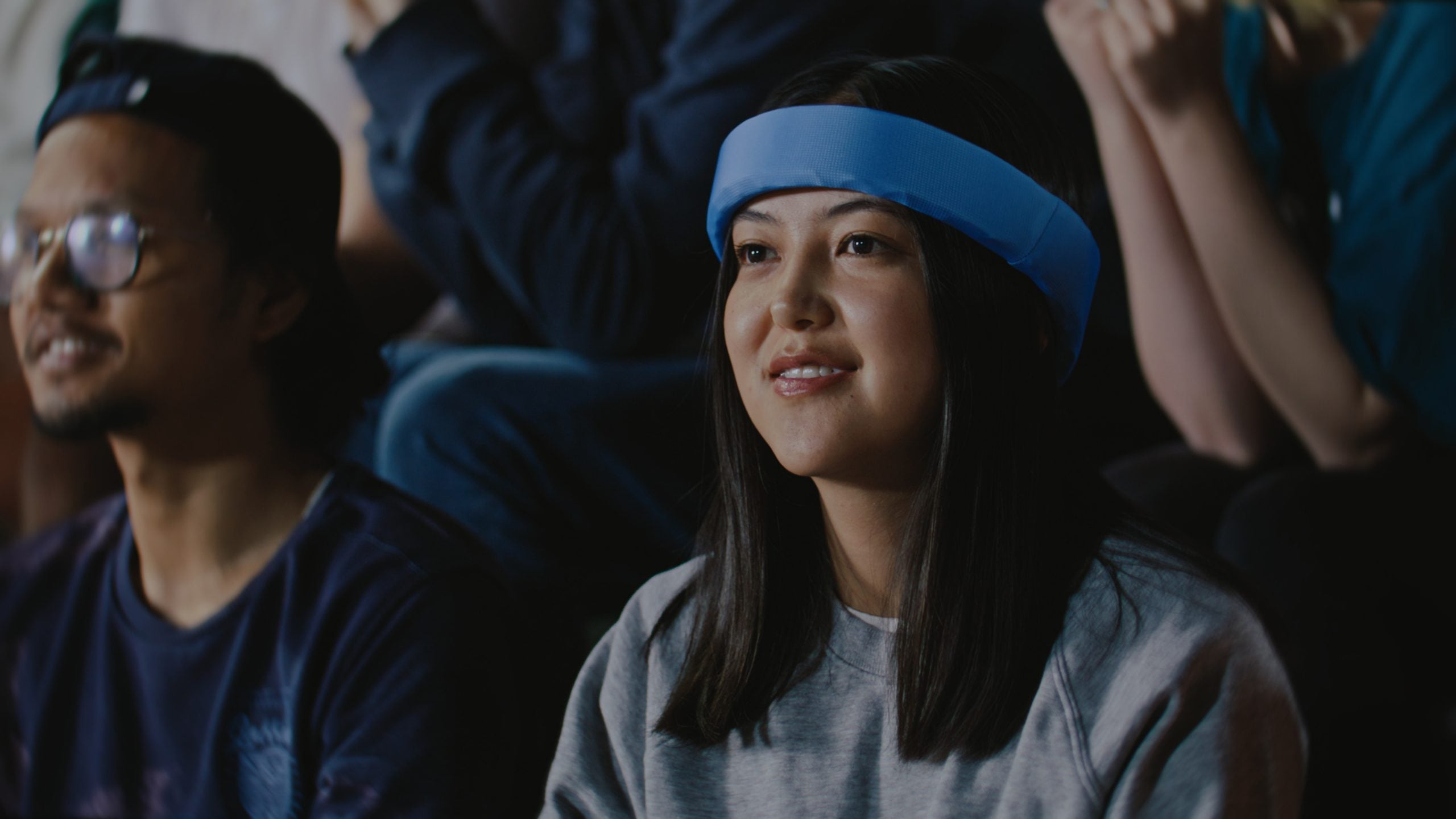 By Alex ReilyPublished On: 16/06/2026
Drop attacks can cause facial, dental and brain injuries. Learn why repeated-impact head protection and CE/UKCA Category II PPE matter.
 By Judith McMinnPublished On: 21/04/2026
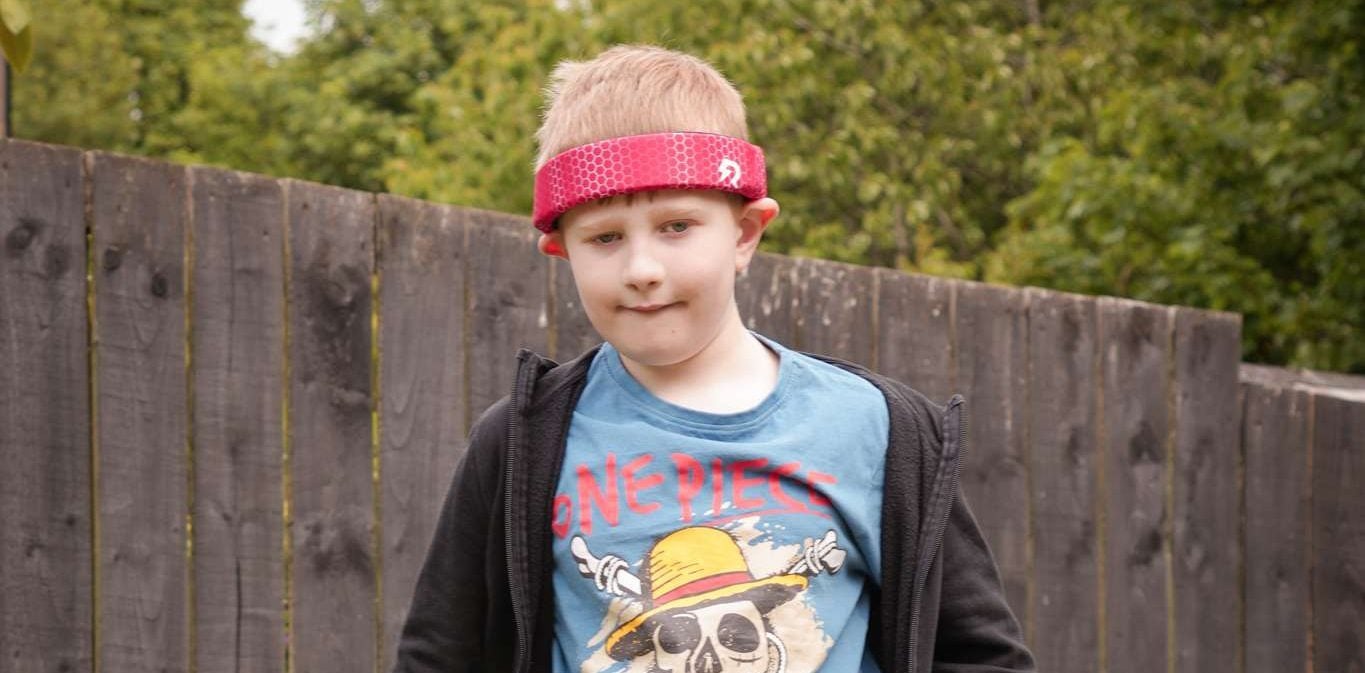
Looking for a special needs helmet for autism or developmental needs? Learn what matters most: protection, certification, tolerability, and continuous wear.
 By Alex ReilyPublished On: 12/02/2026
People with autism may face a higher risk of head injury due to a combination of sensory processing differences, coordination or balance challenges, impulsive movements, repetitive behaviours such as head banging, and higher rates of co-occurring conditions, including epilepsy.
 By Alex ReilyPublished On: 03/02/2026
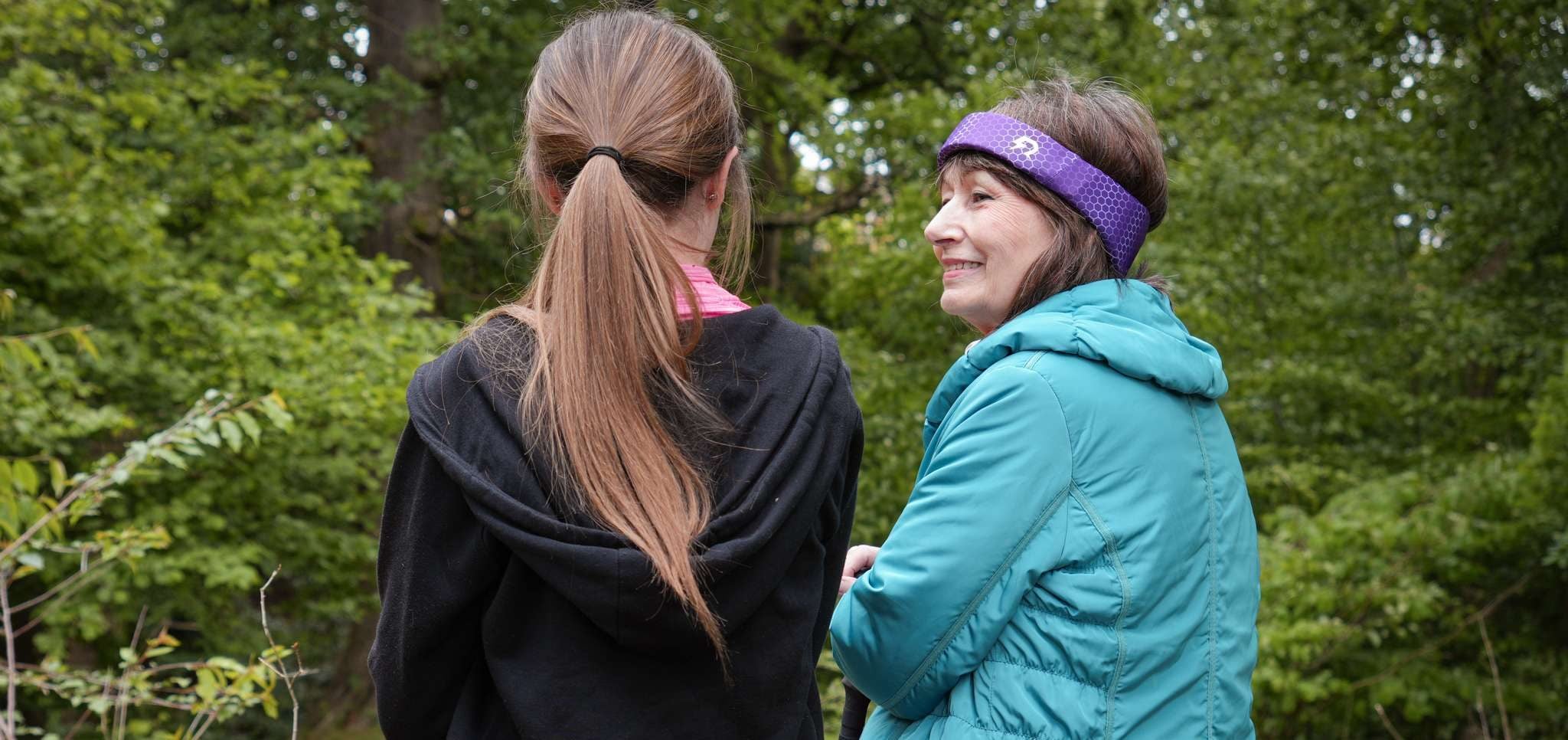
Older adults can face an increased risk of head injury due to falls. Head protection options are available to help reduce this risk in daily life, particularly for individuals living independently, receiving care at home, or residing in care settings.
 By Alex ReilyPublished On: 21/01/2026
Learn what head protection options are available for people with autism, including certified PPE designed to reduce head injury risk in daily life.
 By Judith McMinnPublished On: 20/01/2026
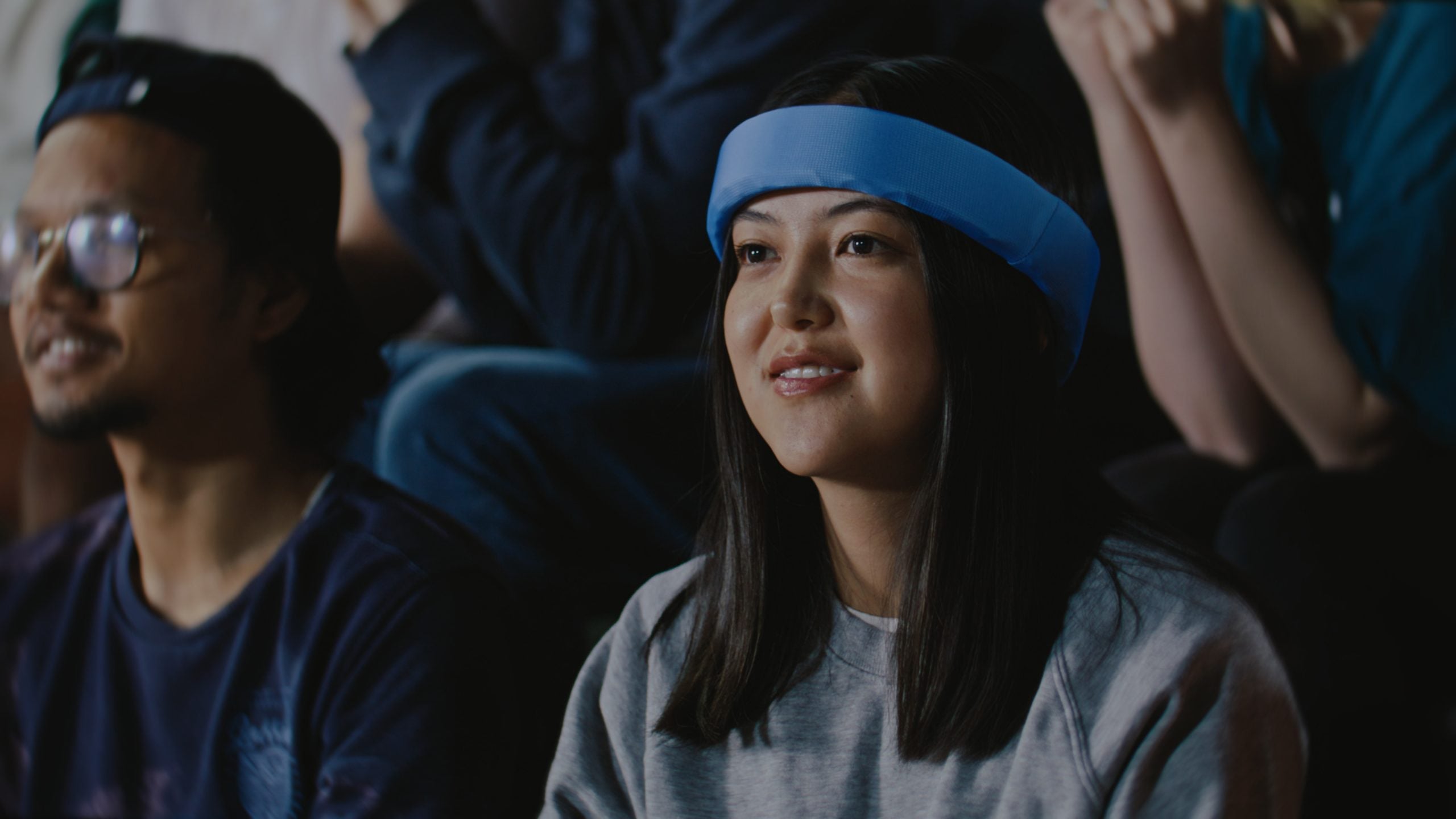
Learn what head protection options are available for people with epilepsy, including certified PPE designed to reduce head injury risk in daily life.
 By Judith McMinnPublished On: 19/05/2025
Medical conditions can increase the risk of head injury in a number of ways, involuntarily. So how are we protecting our brains?
