
How Can Protective Headwear Support Confidence, Dignity and Independence?
Why does head protection affect more than physical safety?
Head protection is often considered after repeated falls, seizures, neurological conditions, movement disorders, post-surgical vulnerability or repeated head impacts. But the decision is rarely only about physical safety. It can also affect confidence, identity, carer anxiety, social participation and whether someone feels able to keep doing normal things.
For someone with epilepsy, the fear of having a seizure in public can make leaving the house feel difficult. Protective headwear for epilepsy cannot remove seizure risk, but where falls or head impacts are a known concern, it may offer reassurance that credible protection is available if an incident occurs. Epilepsy Action notes that protective headgear, sometimes called seizure helmets, can be helpful for people who need to protect their head during seizures [1].
For an older adult, especially after repeated falls, the emotional impact can be just as limiting. Fear of falling can reduce activity, quality of life and independence. NHS guidance also highlights that falls prevention is not only about avoiding injury, but about helping people keep confidence and independence [2, 3].
How can fear of falling or head injury reduce independence?
When people become afraid of falling or being injured, life can become smaller. Someone may stop going outside, avoid social events, withdraw from therapy, or feel unable to move freely around their home or care setting.
This can be especially visible in elderly care. Many older people at high risk of falls effectively end up being moved between a bed and a chair. The intention is usually protective, but the result can be a loss of freedom, confidence and movement. Head protection will not solve every mobility or care challenge, but for some people, credible protective headwear can help carers feel more comfortable supporting short walks, transfers, activities, garden visits, therapy sessions or social time.
The goal is not to encourage unnecessary risk. The goal is to support safer participation where risk already exists.
Falls are a major issue in later life. The CDC reports that more than one in four older adults falls each year, and falling once doubles the chance of falling again [4]. That makes it important to think beyond restriction alone. Risk reduction should support safety, but it should also preserve movement, confidence and quality of life wherever possible.
Why must safety certification come first?
Confidence should be built on evidence, not assumptions. A product may look soft, padded or reassuring, but that does not automatically mean it provides credible head protection.
For families, carers and professionals, safety certification matters because it helps separate protective equipment from comfort-only headwear. Comfort, style and discretion are important, but they should never replace the first question: is this product legally certified to provide protection?
Protective headwear should not be chosen only because it looks acceptable. It should first be capable of doing the job it is being trusted to do.
The Health and Safety Executive describes CU/UKCA PPE as equipment intended to protect against health or safety risks, and PPE regulation exists because protective claims need to mean something in practice [5]. In everyday medical and care contexts, this principle still matters: if a person is relying on headwear for protection, families and professionals need confidence that the product has been designed, tested and certified for that purpose.
No headwear can guarantee prevention of brain injury, but certified protective headwear gives a stronger basis for decision-making than appearance, padding or marketing language alone.
How can portable protective headwear support real-life independence?
Not every person needs to wear protective headwear all the time. For some people, risk is constant. For others, risk changes during the day or increases in specific situations.
Portability matters because it allows protection to be kept close without making it visible all the time.
This may be useful for people who experience warning signs before a seizure, fluctuating neurological symptoms, fatigue-related instability, dizziness episodes, crowded environments, travel anxiety, unfamiliar places or higher-risk moments during appointments and days out.
For example, someone with epilepsy who experiences an aura may feel reassured knowing protection is nearby. A person who becomes more unstable when tired may want protection available later in the day. A carer supporting an older parent may want head protection ready during transfers, walks or outings, without making it part of every moment.
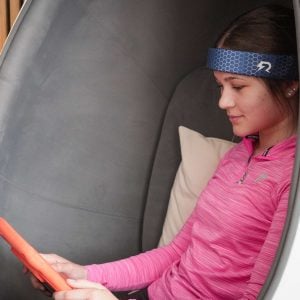
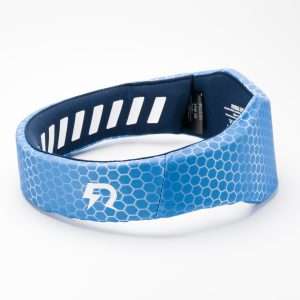
Rezon Halos® is portable enough to be kept in a pocket or bag when it is not being worn. For some people, that means protection can be available when risk increases, without the person feeling visibly medicalised throughout the day.
How can protective headwear support dignity?
Dignity is not only about how headwear looks. It is about whether the person feels respected, involved and understood.
Protective headwear should never feel like punishment. It should not be introduced as proof that someone is unsafe, difficult or incapable. Adults should be treated as adults. Children and young people should be involved where appropriate. Carers should explain the purpose clearly and connect protection to the person’s own goals.
The conversation is not: “You have to wear this because you keep falling.”
A better conversation might be: “This could help us feel more confident going out together.”
That difference matters. The first frames head protection as restriction. The second frames it as support for freedom.
How can carers introduce head protection without increasing stigma?
The most successful introduction often starts with what the person wants to keep doing.
That may be going to the garden centre, visiting family, walking to the dining room, attending school, joining therapy, travelling to an appointment or leaving the house with less fear. Protective headwear becomes easier to accept when it is connected to real life rather than presented as a medical label.
Carers can help by using positive language, allowing the person to handle and try the headwear, introducing it gradually where possible, checking comfort and fit, and reviewing whether it is helping or causing distress. Where needs are complex, clinicians, occupational therapists, physiotherapists or epilepsy specialists may help decide how head protection fits into a wider plan.
The aim is not simply to get someone to wear something. The aim is to support safety in a way that preserves choice, identity and trust.
How does Rezon Halos support everyday confidence?
Rezon Halos® is designed for people who need credible head protection without the bulk or visibility of traditional helmet-style options.
Its role is to support safer participation in everyday life by combining certified protection with comfort, discretion and portability. For families and carers, that can mean more confidence when supporting movement and activity. For the person wearing it, it can mean protection that feels less intrusive, less stigmatising and more compatible with ordinary life.
When used as part of a wider safety plan, it can help reduce the gap between two difficult extremes: doing nothing, or restricting someone so much that their world becomes smaller.
What should families and professionals remember?
Protective headwear can support confidence, dignity and independence, but only when it is credible enough to be trusted.
Discretion, comfort and portability all matter because protection has to fit real life. People are more likely to use head protection when it feels acceptable, practical and respectful. But those benefits should come after the first question: is this safety-certified protective headwear?
For families, carers and professionals, Rezon Halos® offers a way to support everyday freedom while keeping credible protection at the centre of the decision.
Frequently asked questions about protective headwear
Author: Alex Reily
