Why does everyday head protection matter?
NeuroSure is focused on protecting the brain in everyday head impacts.
Certain medical conditions can increase the risk of repetitive head impacts in everyday life, and while not every head impact causes concussion symptoms, head impacts involves the transmission of rotational forces to the brain. Rotational forces can deform brain tissue and are associated with injury mechanisms including shear strain, vascular stress and neuroinflammatory responses [7, 8, 9].
Research on repetitive head impacts and the biomechanics of brain injury show that rotational forces are the primary driver of brain injury. In situations where people may be more vulnerable to falls, collisions, seizures or repetitive self-injurious behaviour because of existing medical conditions or age, protecting the brain can help to reduce the risk of both concussion and long-term neurodegenerative consequences [7, 8, 9].

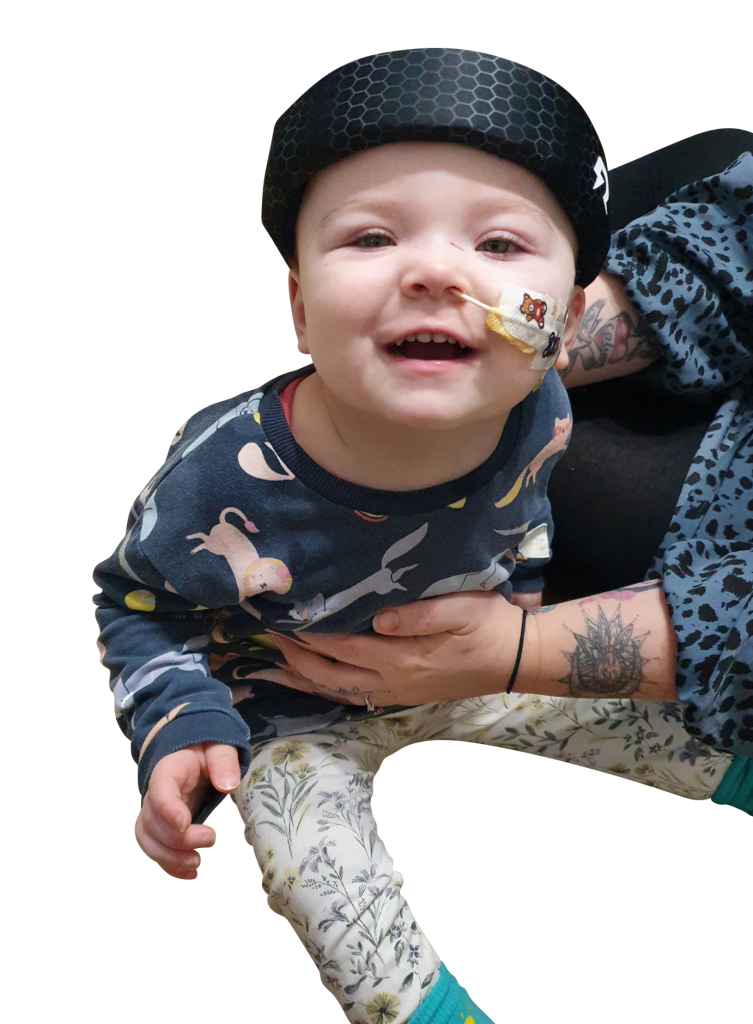
Why do rotational forces matter in everyday impacts?
When the head is struck, or strikes a surface, the head and brain are exposed to both linear and rotational forces. Rotational acceleration is widely recognised as the primary biomechanical predictor of traumatic brain injury, which is why respected modern test systems such as the Virginia Tech STAR method evaluate both linear and rotational head kinematics rather than linear acceleration alone [1, 8, 9, 10].
Rezon Halos® has been independently demonstrated to:
- reduce rotational forces by up to 61%
- reduce linear forces by up to 64%
- reduce concussion risk by 74% [1, 10]
What makes Rezon Halos® different?
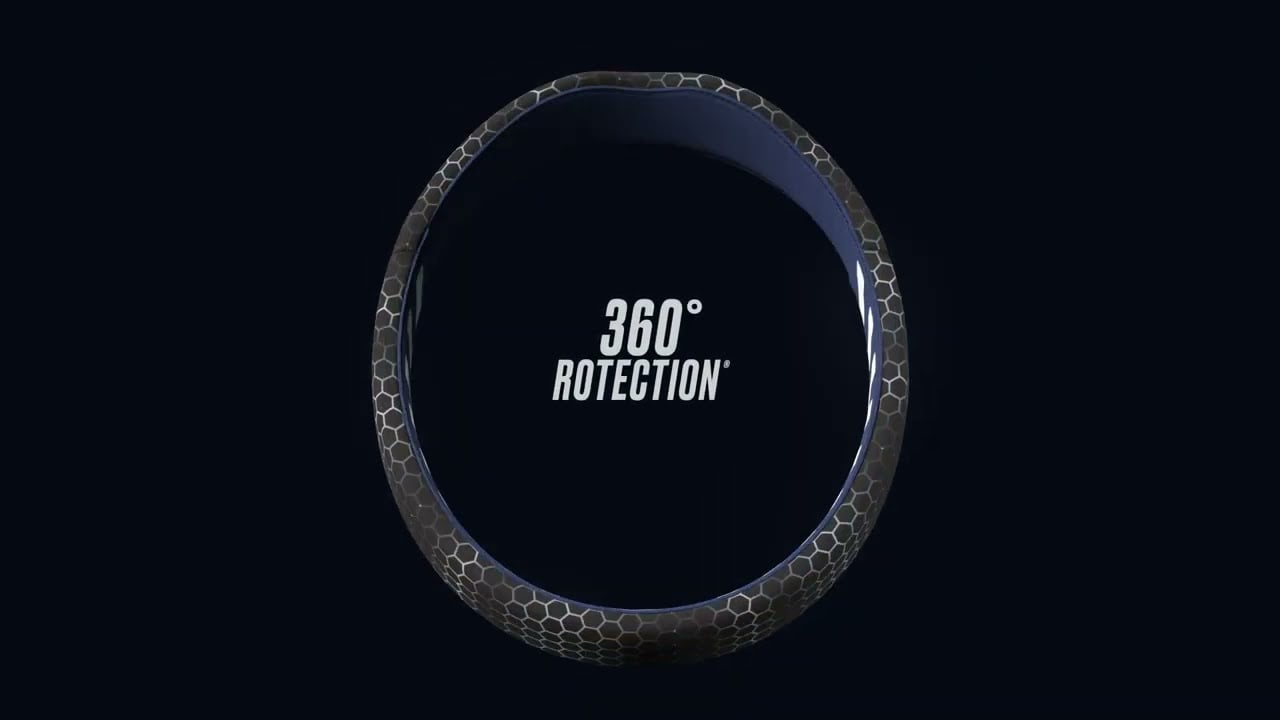
Rezon Halos® uses patented Rotection® technology: a nine-layer protective design intended to reduce the transmission of rotational forces and linear forces. Three layers are designed to deform on impact to reduce impact energy. Our published testing summaries for Rezon Halos® report reductions in both peak linear acceleration and peak rotational acceleration across multiple impact conditions [2, 3].
What evidence supports Rezon Halos®?
Rezon Halos® has been independently tested and is safety certified as CE/UKCA Category II PPE [4, 5, 6].
Virginia Tech’s Helmet Lab awarded Rezon Halos® a 5-star rating with a STAR methodology value of 0.26 [1, 10]. Virginia Tech explains that its ratings are an independent and objective assessment of helmet performance, that lower STAR scores indicate better performance, and that a STAR value of 0.5 represents a 50% reduction in concussion incidence for the impacts tested. Rezon Halos® STAR score represents a 74% reduction in concussion risk [1].
Our published test summaries also show reductions in both peak linear acceleration and peak rotational acceleration across back and side impacts at multiple velocities, including peak rotational reductions of up to 61% in the listed Virginia Tech test scenarios [3].

Why head protection matters in everyday life
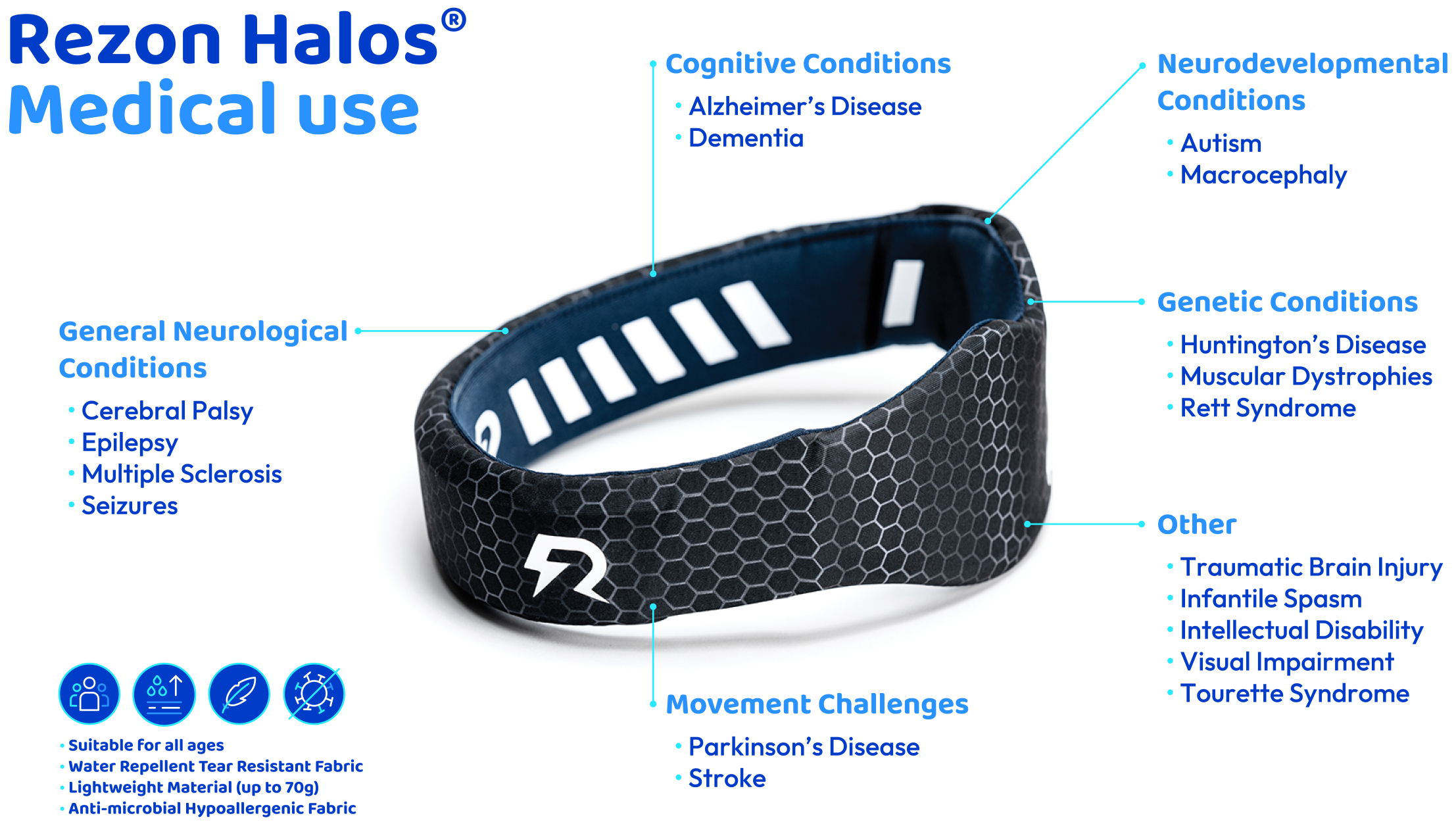
Certain medical conditions, including seizures, epilepsy, autism, and increased risk of falls in the elderly, increase the risk of head impacts in everyday life. While not every head impact will cause a concussion, head impacts do transmit rotational forces.
NHS guidance for tonic-clonic seizure first aid advises cushioning a person’s head if they are on the ground to help prevent injury. In autism, a meta-analysis of 37 papers and 14,379 participants found a pooled prevalence estimate of self-injurious behaviour of 42%. Rezon Halos® is worn as a discreet, everyday, protective headband, providing head and brain protection when head impacts do occur [11, 12].
What certification does Rezon Halos® hold?
In the UK and Europe, head protection intended to reduce injury risk must comply with Personal Protective Equipment (PPE) regulations and carry appropriate CE or UKCA certification [4, 5, 6].
Rezon Halos® has published an EU Declaration of Conformity stating conformity with Regulation (EU) 2016/425 and listing EN ISO 13688:2013, EN 13277-1:2000 and EN 13277-4:2001/A1:2007, with EU type examination by Italcert, Notified Body 0426 [4].