
What counts as safety certified head protection for medical use in the UK and Europe?
What counts as safety certified head protection for medical use in the UK and Europe?
In the UK and Europe, head protection intended to reduce injury risk must comply with Personal Protective Equipment (PPE) regulations and carry appropriate CE or UKCA certification. CE/UKCA certification confirms that a product has been independently assessed against defined safety standards. Products marketed as “medical helmets”, “seizure helmets”, or protective headwear without this certification are not legally recognised as PPE, and may not have been tested to demonstrate meaningful protection against brain injury.
Understanding what safety certification means helps individuals, caregivers, and organisations make more informed decisions when choosing head protection for everyday life.
Watch: This short video explains why everyday head impacts can be dangerous for the brain and why safety certification matters when choosing protective headgear.

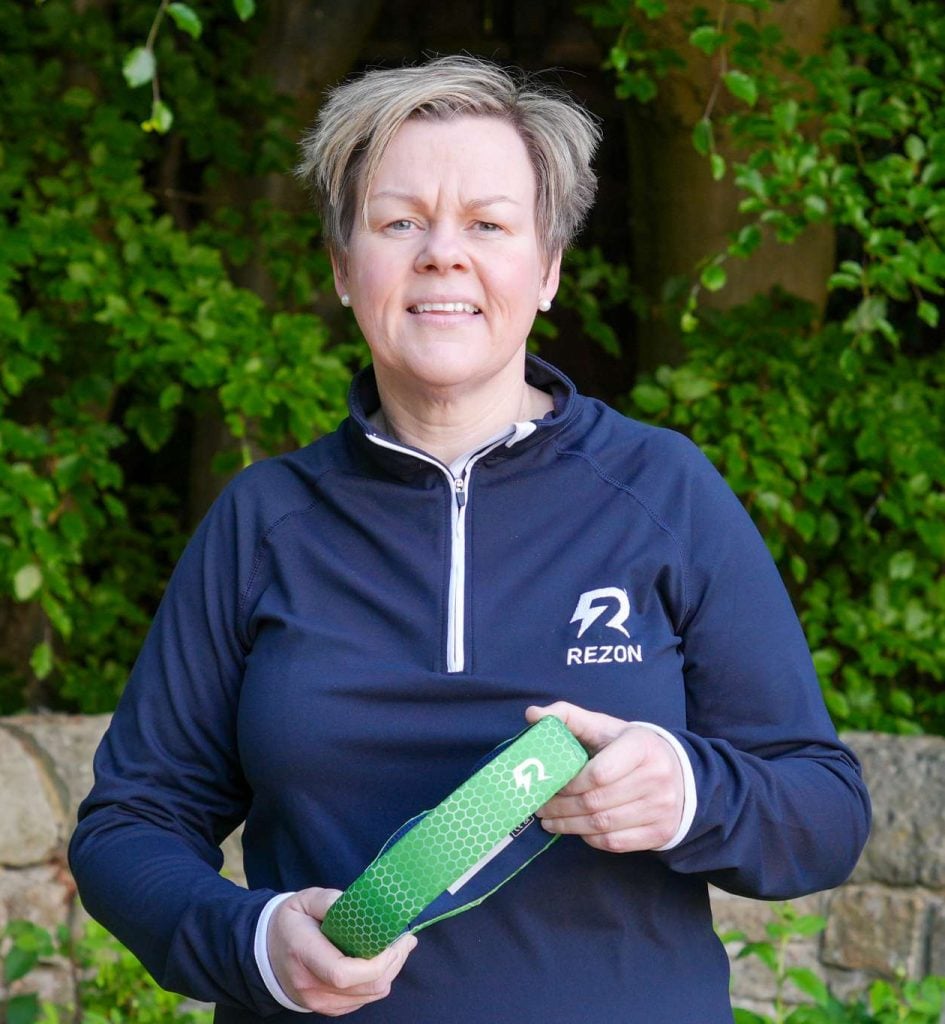
What is personal protective equipment (PPE)?
Personal Protective Equipment, or PPE, refers to products designed to protect the wearer from health or safety risks. In the context of head protection, PPE regulations apply when a product is intended to reduce the risk of injury.
In the UK and Europe, PPE is regulated to ensure that products claiming to reduce injury risk have been independently tested and meet defined performance standards [1].
Category I vs Category II PPE for head protection
PPE is divided into categories based on the severity of risk it is intended to protect against.
Category I PPE
Covers protection against minimal risks, such as superficial mechanical injury, including light bumps, abrasions, or minor scrapes. Products in this category are self-certified and are not intended to reduce serious injury or brain injury risk.
Category II PPE
Applies to protection against risks that can cause serious injury, including impacts that may result in concussion or brain injury. Category II PPE must undergo independent third-party testing and certification before it can be legally sold.
Head protection marketed to reduce concussion risk, brain injury risk, or the effects of impacts cannot be Category I PPE. If a product claims to offer such protection, Category II certification is required [1].
Why safety certified head protection matters
Head injuries do not only occur during sport or high-impact environments. Many occur during everyday activities, such as falls from standing height, sudden collisions, or seizure-related impacts.
For people living with epilepsy, autism, neurological conditions, or increased risk of falls, head protection may need to be worn during daily life rather than in controlled environments. People in elderly care can also be at increased risk of falls. In these contexts, safety certification really matters because it provides assurance that:
- The product has been independently tested
- Performance claims are evidence-based
- Protection is designed to address real injury risk, not just comfort or style
For more detail on everyday risk, see Why are people with autism at higher risk of head injury?
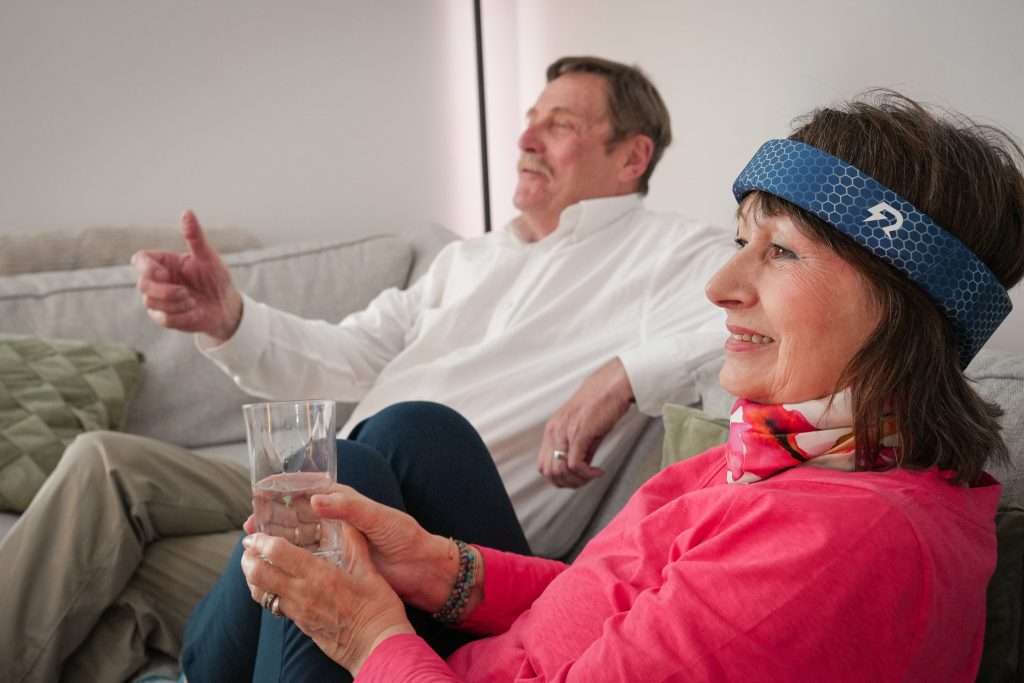
Are “medical helmets”, “autism helmets” and “special needs helmets” always certified?
The terms “medical helmet”, “autism helmet” and “special needs helmet“ are widely used but have no legal definition under PPE regulations. A product described as medical, therapeutic, or special-needs headgear is not automatically certified or qualified to reduce injury risk.
In the UK and Europe:
- “Medical” does not equal PPE certification
- Medical device registration does not replace PPE certification in the area of protective equipment
- Products claiming to reduce brain injury risk must still comply with PPE law and testing
As a result, some headgear commonly recommended or sold for medical or special-needs use may not be legally certified as protective equipment [2].
For a detailed comparison, see What is a medical helmet and do you need one?
How PPE certification relates to brain injury risk
Brain injury risk is primarily influenced by rotational forces, which occur when the head accelerates or twists suddenly during an impact. These forces cause the brain to rotate within the skull, contributing to the shearing of brain cells and blood vessels, and brain inflammation.
Head protection designed to reduce brain injury risk must therefore address more than surface contact and injury alone [3].
PPE certification does not remove all risk, but it demonstrates that a product has been tested and evaluated against recognised biomechanical and safety criteria relevant to brain injury risk.
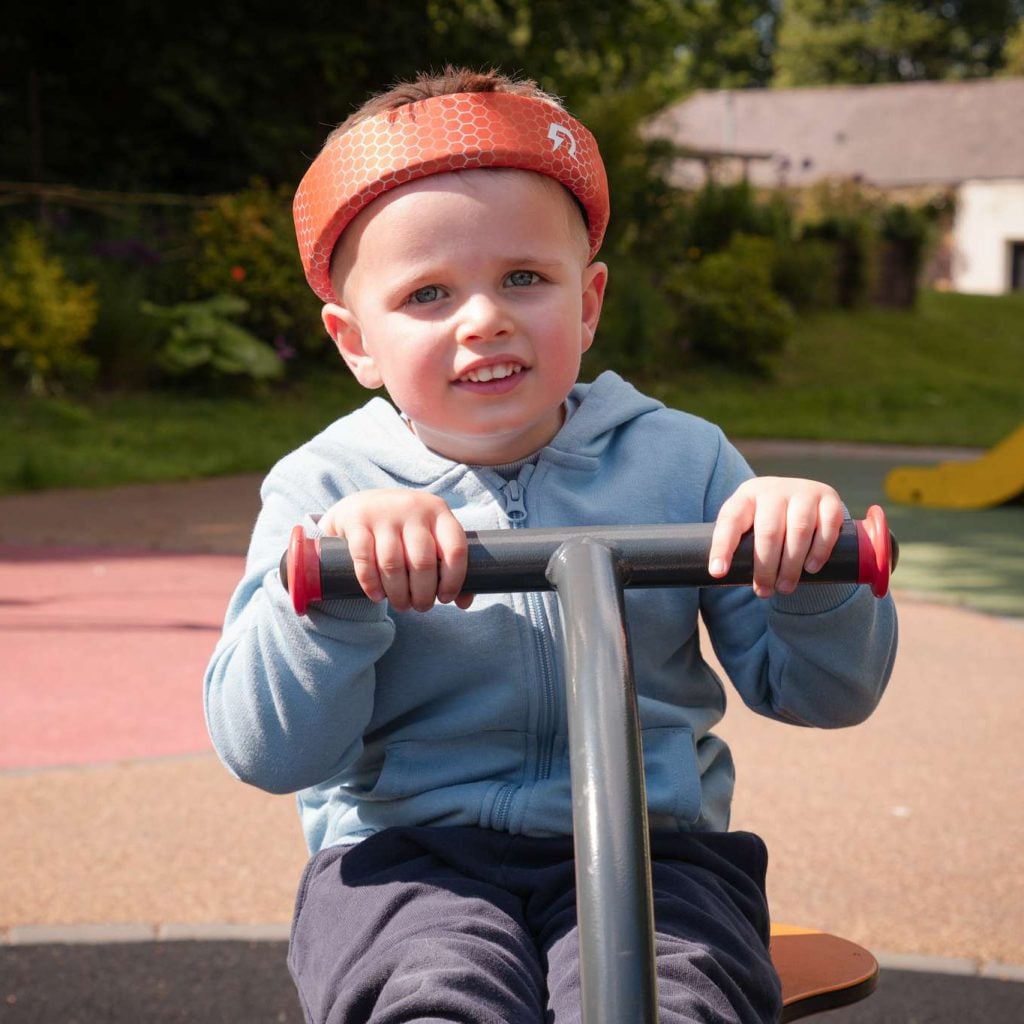
Where Rezon Halos® fits within PPE certification standards
Rezon Halos® is regulated in Europe and the UK as CE and UKCA Category II PPE. This means it has been independently tested and legally approved as protective equipment intended to reduce injury risk beyond superficial impacts.
The term medical helmet is a marketing position rather than a legal safety categorisation. Rezon Halos® does not use this marketing term or positioning. Instead, it is described using recognised legal and safety classifications.
Rezon Halos® is a CE/UKCA Category II PPE protective headband, designed to reduce the transmission of rotational forces to the brain and reduce concussion, sub-concussion and brain injury risk during head impacts. In the UK, it is regulated as certified PPE rather than a medical device, as advised by the MHRA, and reflecting its protective role rather than any diagnostic or therapeutic function.
In some geographies, Rezon Halos® is listed as a Class I medical device, depending on local regulatory definitions. In the UK, registration with the MHRA is not required. This reflects the legal definition of a medical device under the MHRA Borderlines framework. UK regulations do not require all products providing a clinical benefit to be classified as medical devices [4].
For context on seizure-related risk, see Do seizure helmets work to reduce the risk of head injury?
For a broader context on protection alongside care, see What does adjunctive neuroprotection mean outside clinical care?
Frequently asked questions about safety certified head protection
Author: Alex Reily
