
What head protection options are available in elderly care?
What head protection options are available in elderly care?
Older adults can face an increased risk of head injury due to falls, balance changes, reduced reaction time, and increased vulnerability of the brain to impact(s). Head protection options are available to help reduce this risk in daily life, particularly for individuals living independently, receiving care at home, or residing in care settings. These options range from helmets and padded headgear to certified personal protective equipment (PPE) designed for discreet, everyday wear.
Understanding the differences between the protection distinctions can help older adults, families, and caregivers make informed choices that support safety, comfort, dignity, and independence.
Why head injury risk increases in older age
Falls are one of the leading causes of injury in older adults. As people age, changes in balance, muscle strength, vision, and reaction time can increase the likelihood of falls, even during routine activities such as walking, standing, or transferring from a chair or bed [1].
In addition to a higher likelihood of falling, the brain itself becomes more vulnerable with age. Even small-force head impacts can create brain injury, including concussion or intracranial bleeding, particularly for individuals taking blood-thinning medication [2].
Because many falls occur unexpectedly and during everyday activities, head injury risk in elderly care is not limited to specific environments or high-risk situations.
Watch: Why Everyday Head Impacts Can Be Dangerous for the Brain
Why head protection is not just about visible cuts and abrasions
Injury risk is not determined only by whether the head makes contact with a surface, but by how the brain moves at the moment of impact.
When a head impact occurs, including during a fall, collision, or sudden loss of balance, rotational forces cause the brain to move within the skull. This is associated with tearing of tiny blood vessels and brain cells, and the creation of damaging neuro-inflammation These rotational forces are strongly associated with brain injury risk, including concussion and cumulative brain injury [3].
In older adults, these forces can be particularly harmful. Age-related changes such as reduced brain elasticity and increased space between the brain and skull can increase susceptibility to injury when rotational forces are transmitted during a head impact.
This is why protection strategies that focus only on surface cushioning or preventing visible scalp injury do not adequately address brain injury risk. Reducing rotational force transmission at the moment of head impact is a key factor in supporting brain protection during everyday incidents.
Why PPE certification matters in elderly head protection
When head protection is used as part of daily life in elderly care, PPE certification is critical [5].
In the UK and Europe, products marketed with injury-reduction claims must comply with personal protective equipment (PPE) regulations. CE and UKCA Category II PPE certification indicates that a product has been independently assessed to reduce risks from impacts that could cause serious injury beyond superficial cuts or abrasions [4].
Category II PPE Certification provides reassurance that a product has been tested and certified by an independent body against recognised safety standards, rather than relying solely on the product’s design intent or padding.
How certified category II PPE can support risk reduction in elderly care
Certified category II PPE designed for everyday head protection offers a different approach from traditional helmets or padded headgear.
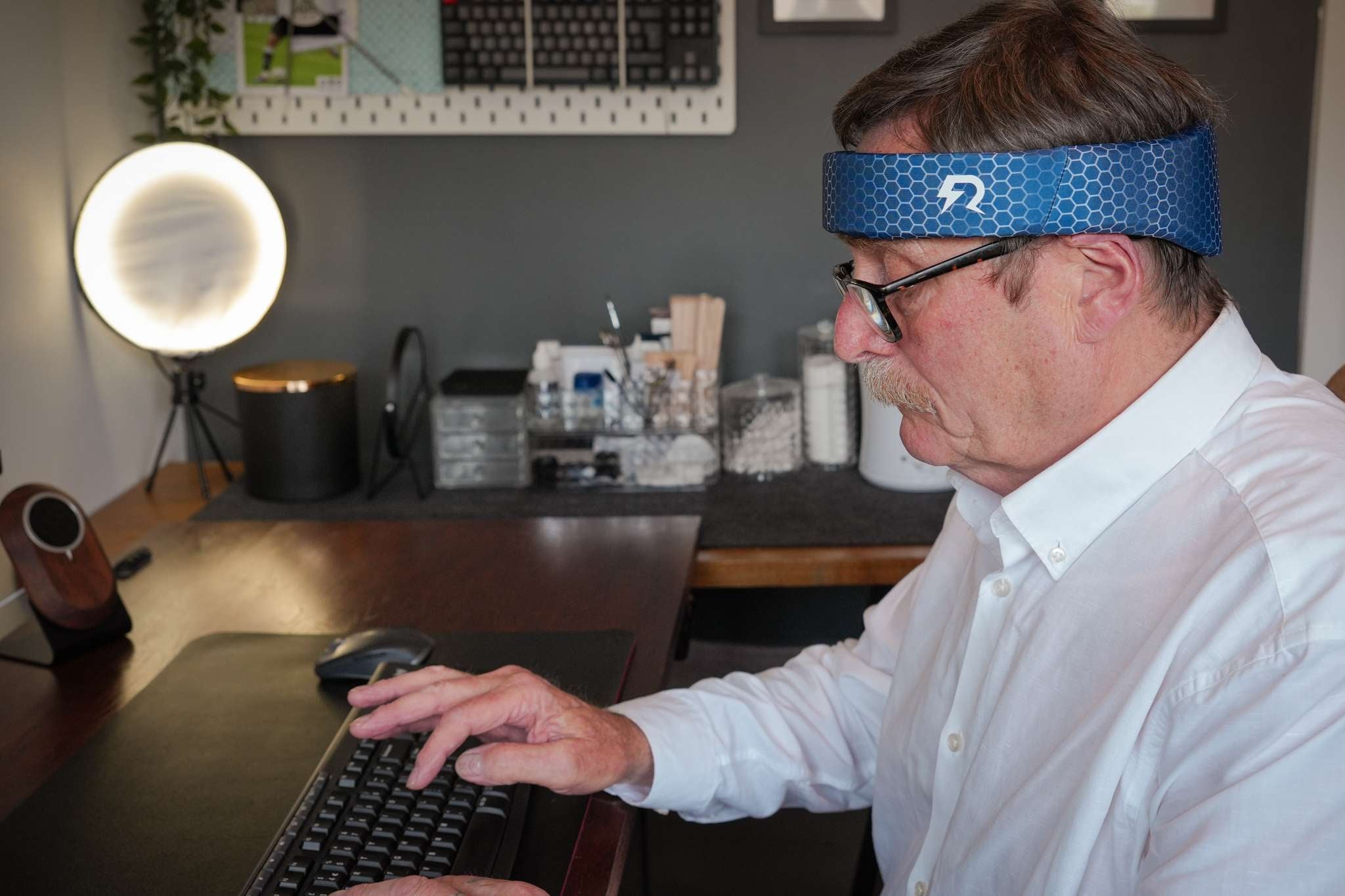
Rezon Halos® is a CE/UKCA Category II PPE-certified protective headband designed to reduce the transmission of rotational forces to the brain during head impacts and reduce concussion risk. Rather than enclosing the entire head, Halos® focuses on protecting the areas most likely to receive head impacts and associated with rotational injury risk, including the back, sides, and front of the head.
Independent testing has shown that Rezon Halos® can:
- Reduce concussion risk from head impacts by up to 74%
- Reduce rotational force transmission by at least 60% [3]
These results are based on controlled testing conditions and support its use as adjunctive neuroprotection in daily life, alongside standard medical care and fall-prevention strategies.Unlike many other products sold as injury protection, Halos® is sleek, stylish, lightweight, and designed for everyday wear for all ages, including during sleep and when swimming or bathing.
Supporting dignity, comfort, and daily wear
In elderly care, comfort and dignity are as important as protection. Bulky or highly visible headgear can discourage consistent use and negatively impact confidence or social participation.
Rezon Halos® is designed to be:
- Lightweight and discreet
- Suitable for extended daily wear
- Compatible with glasses and hearing aids, including cochlear implants
- Available in multiple colourways and patterns
This makes it more suitable for everyday use in home, community, or care settings where maintaining independence and quality of life is a priority.

When might head protection be considered in elderly care?
Head protection may be considered by older adults, families, or caregivers in situations such as:
- A history of falls or near-falls
- Balance or mobility challenges
- Increased vulnerability following a concussion or brain injury
- Periods of illness or medication changes affecting stability
The decision to use head protection is personal and should be made alongside existing medical care, physiotherapy, and fall-prevention planning.
Author: Alex Reily
