
Search NeuroSure insights on brain injury and brain protection for medical use:
 By Alex ReilyPublished On: 30/01/2026
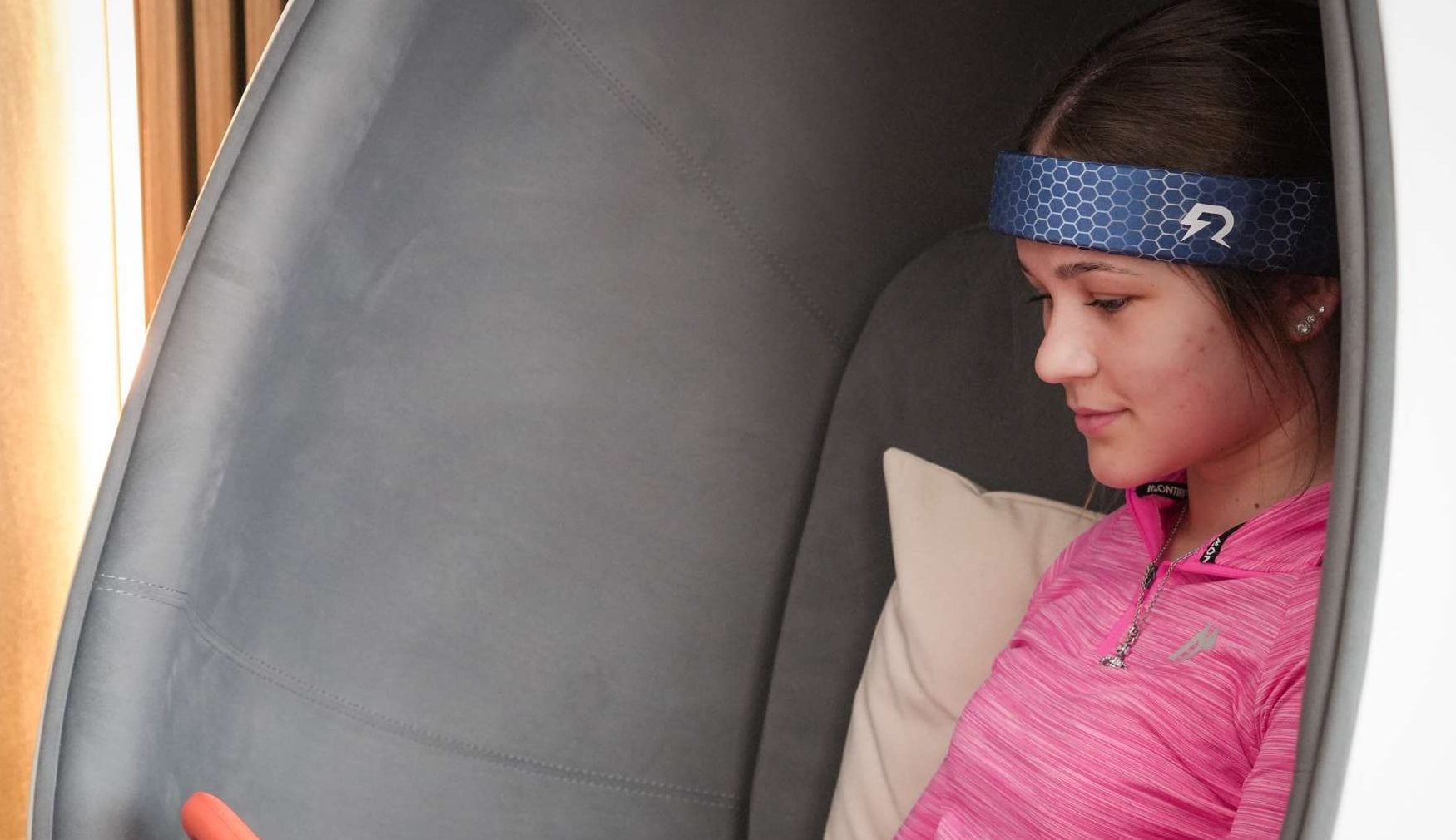
Learn how epilepsy helmets and seizure head protection compare with CE/UKCA-certified PPE for reducing head impact risk.
 By Alex ReilyPublished On: 21/01/2026
Learn what head protection options are available for people with autism, including certified PPE designed to reduce head injury risk in daily life.
 By Judith McMinnPublished On: 20/01/2026
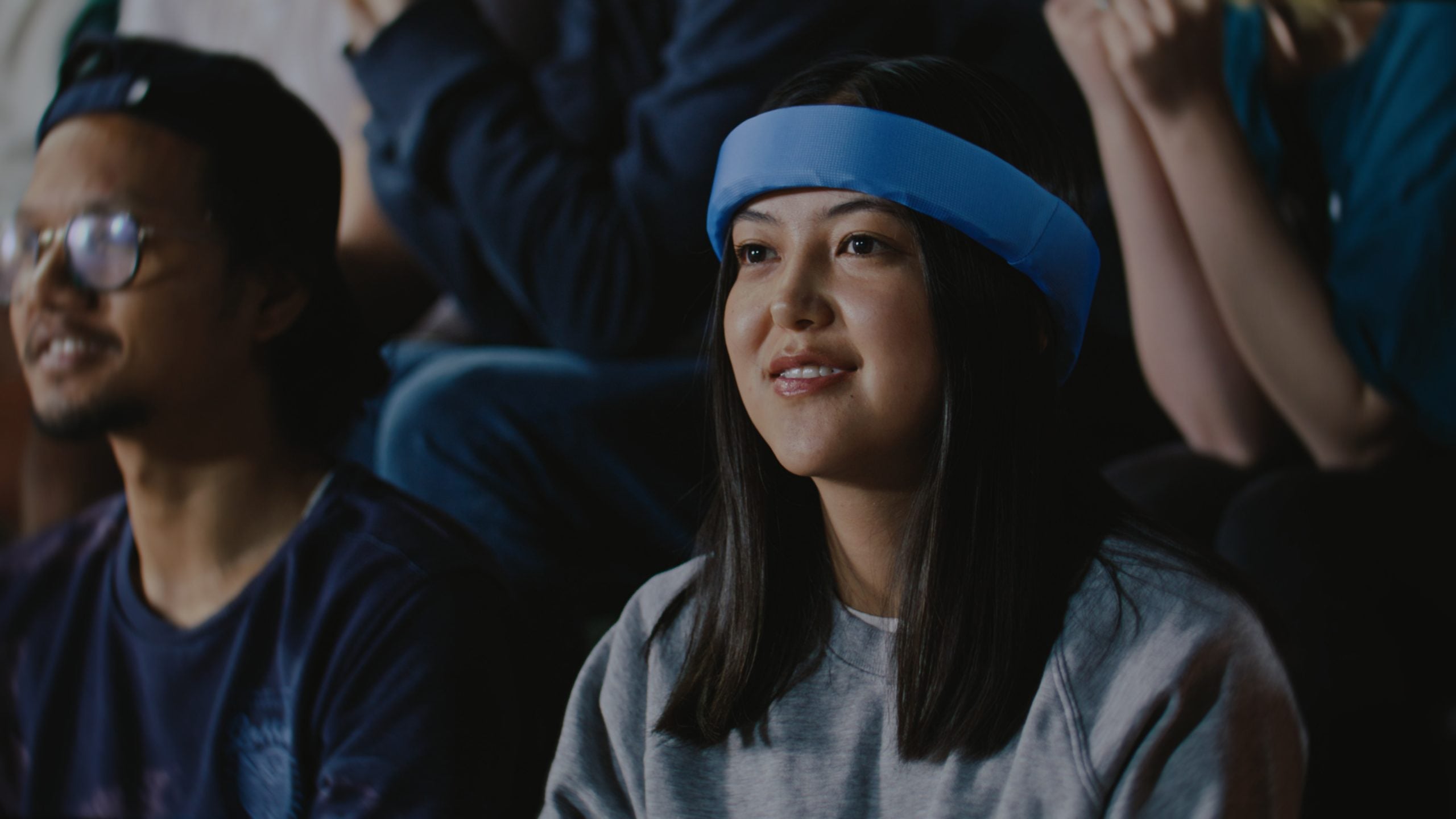
Learn what head protection options are available for people with epilepsy, including certified PPE designed to reduce head injury risk in daily life.
 By Alex ReilyPublished On: 08/10/2026
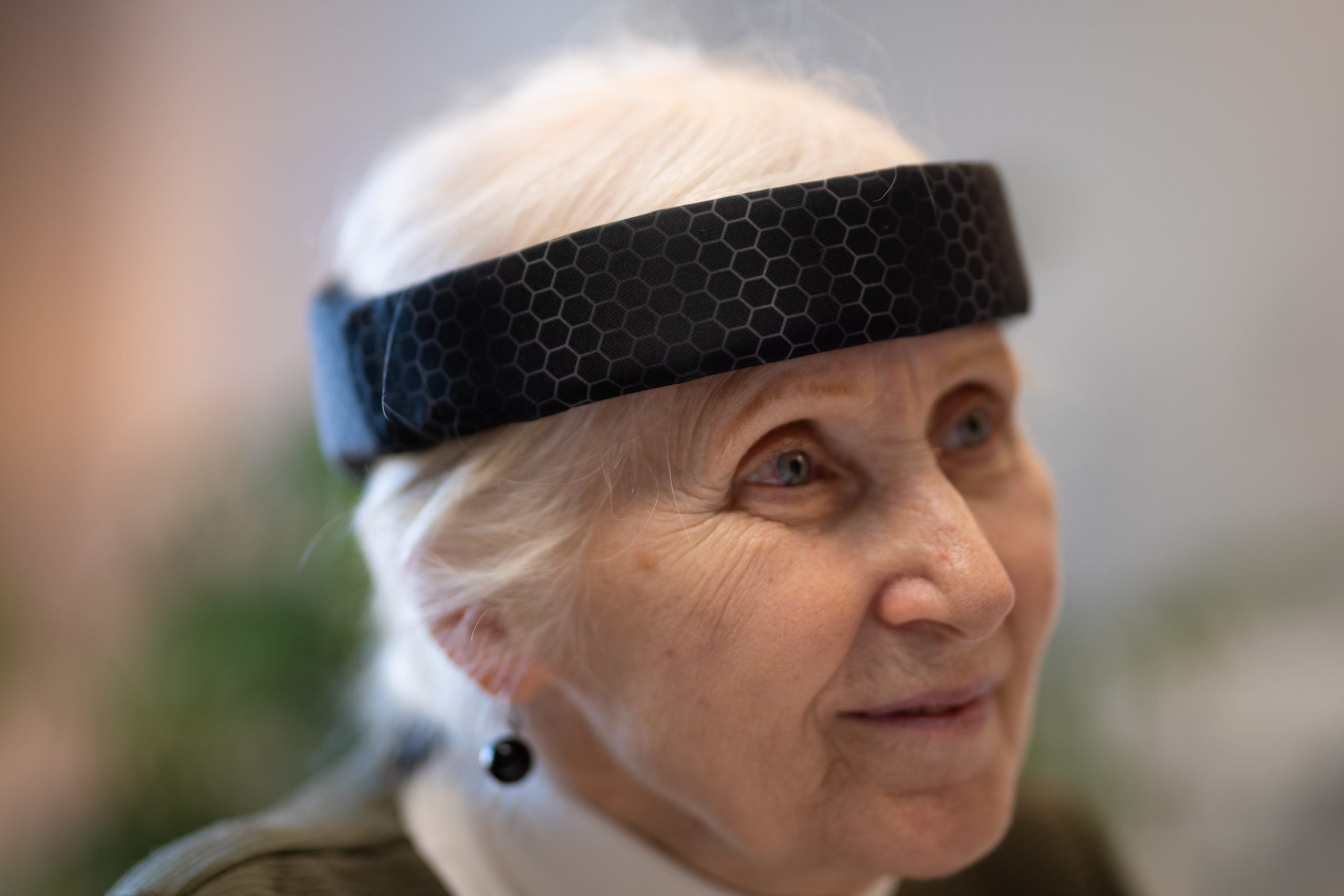
Head injuries in older people can be life-changing. Learn why falls pose greater brain injury risks and how discreet head protection can help.
 By Judith McMinnPublished On: 18/09/2026
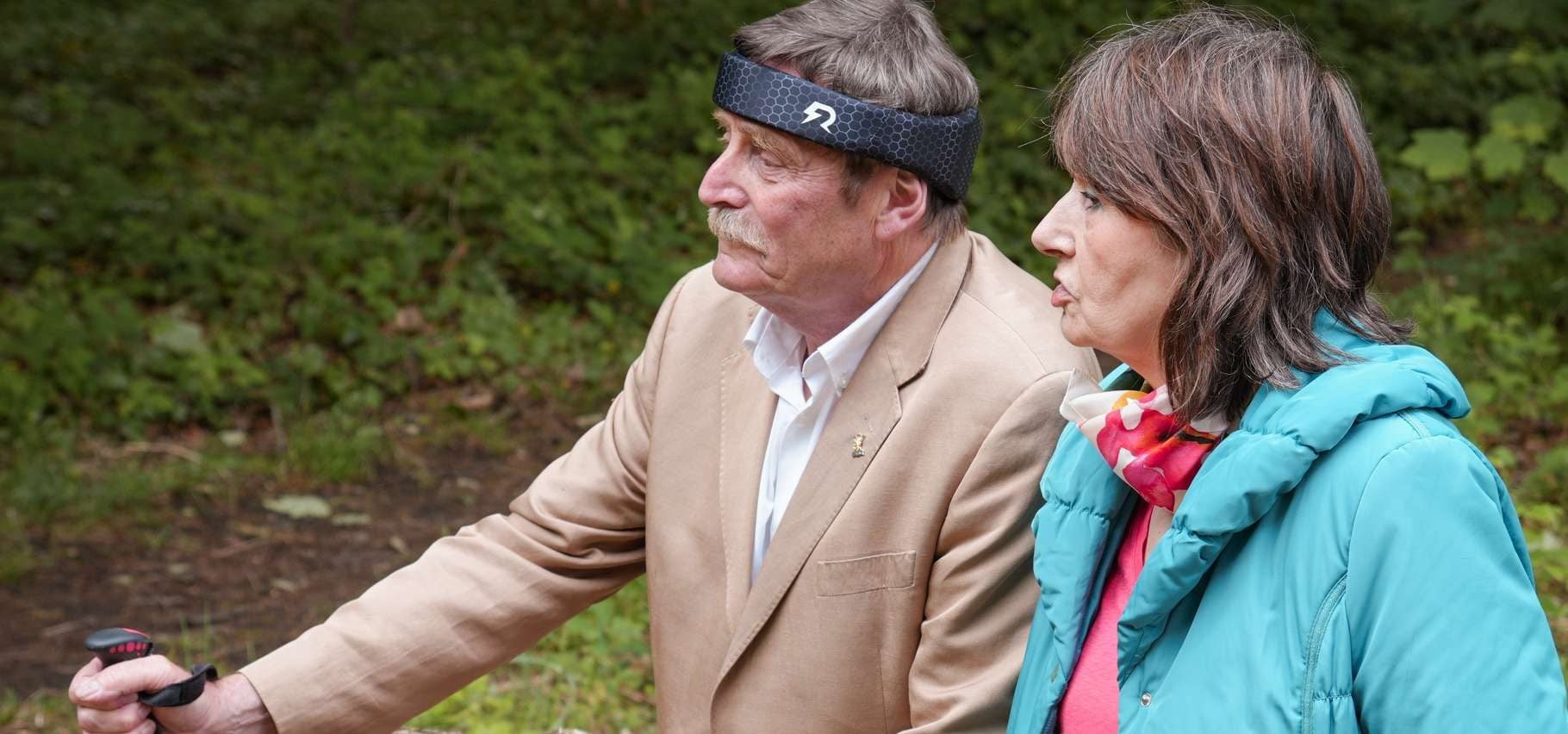
Head injuries in older people can be life-changing. Learn why falls pose greater brain injury risks and how discreet head protection can help.
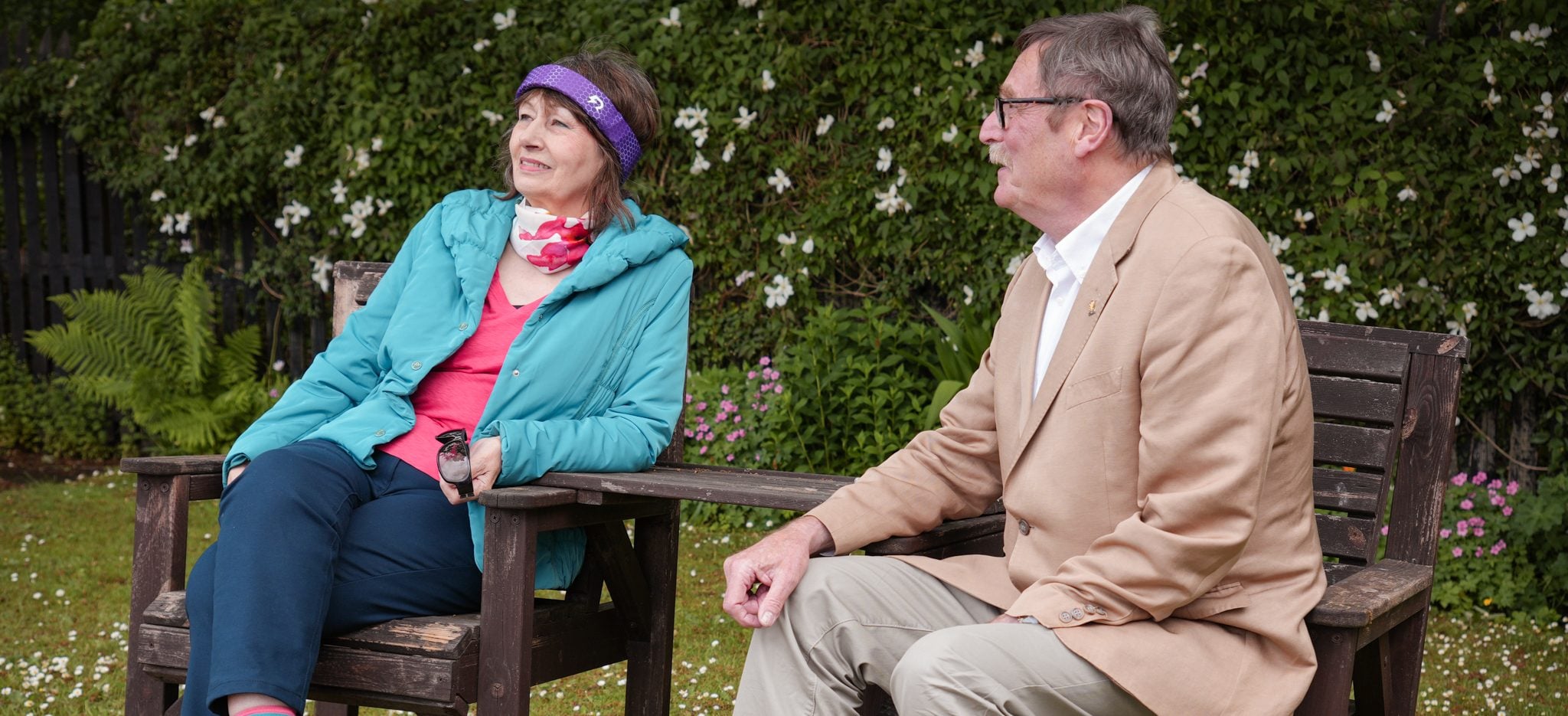 By Judith McMinnPublished On: 05/08/2026
Learn what to look for in head protection after a stroke, including independent testing, credible certification and discreet everyday design.
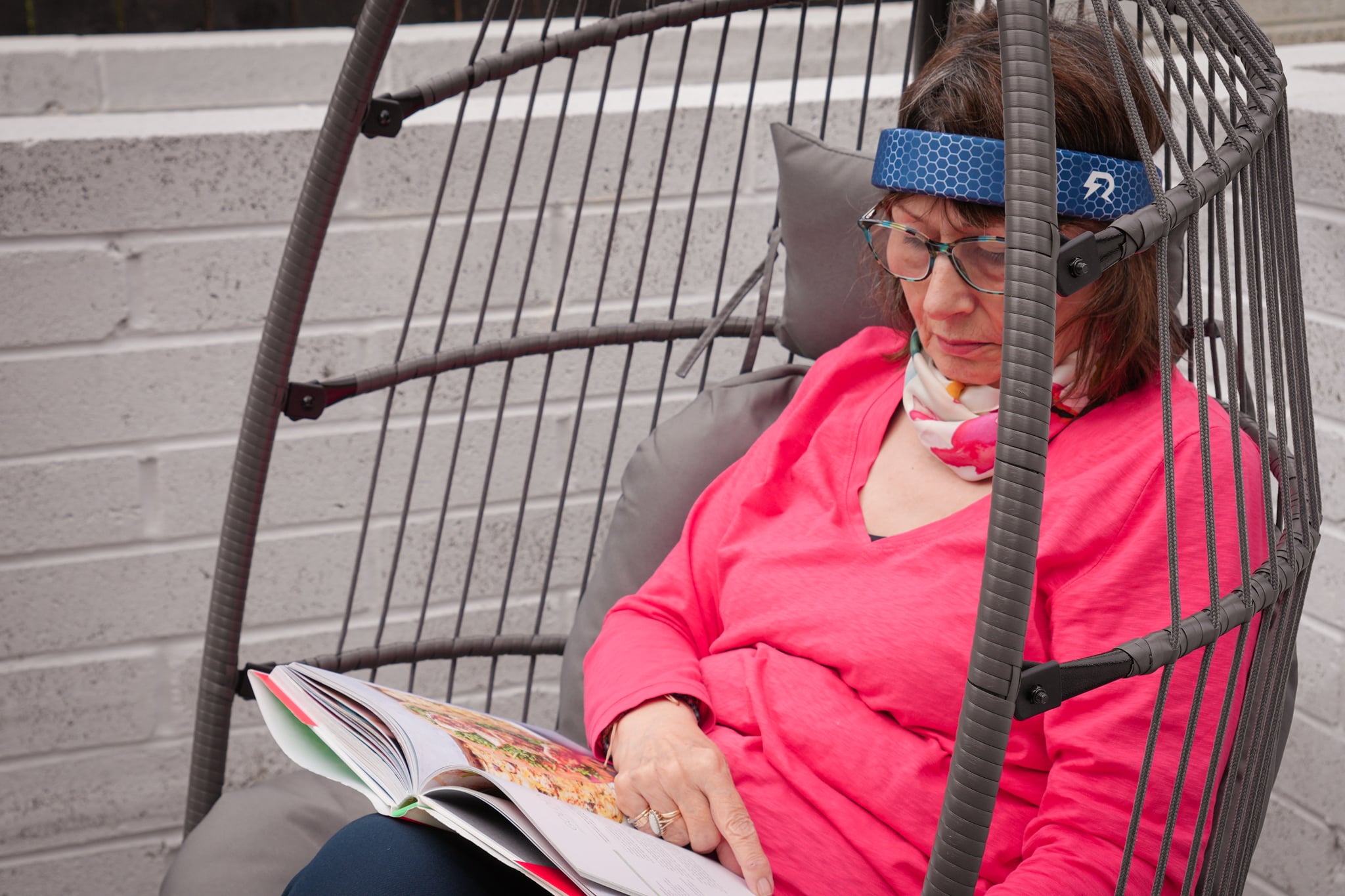 By Judith McMinnPublished On: 16/07/2026
Safety-certified head protection for post-brain surgery protection, designed to reduce the linear and rotational forces in head impacts.
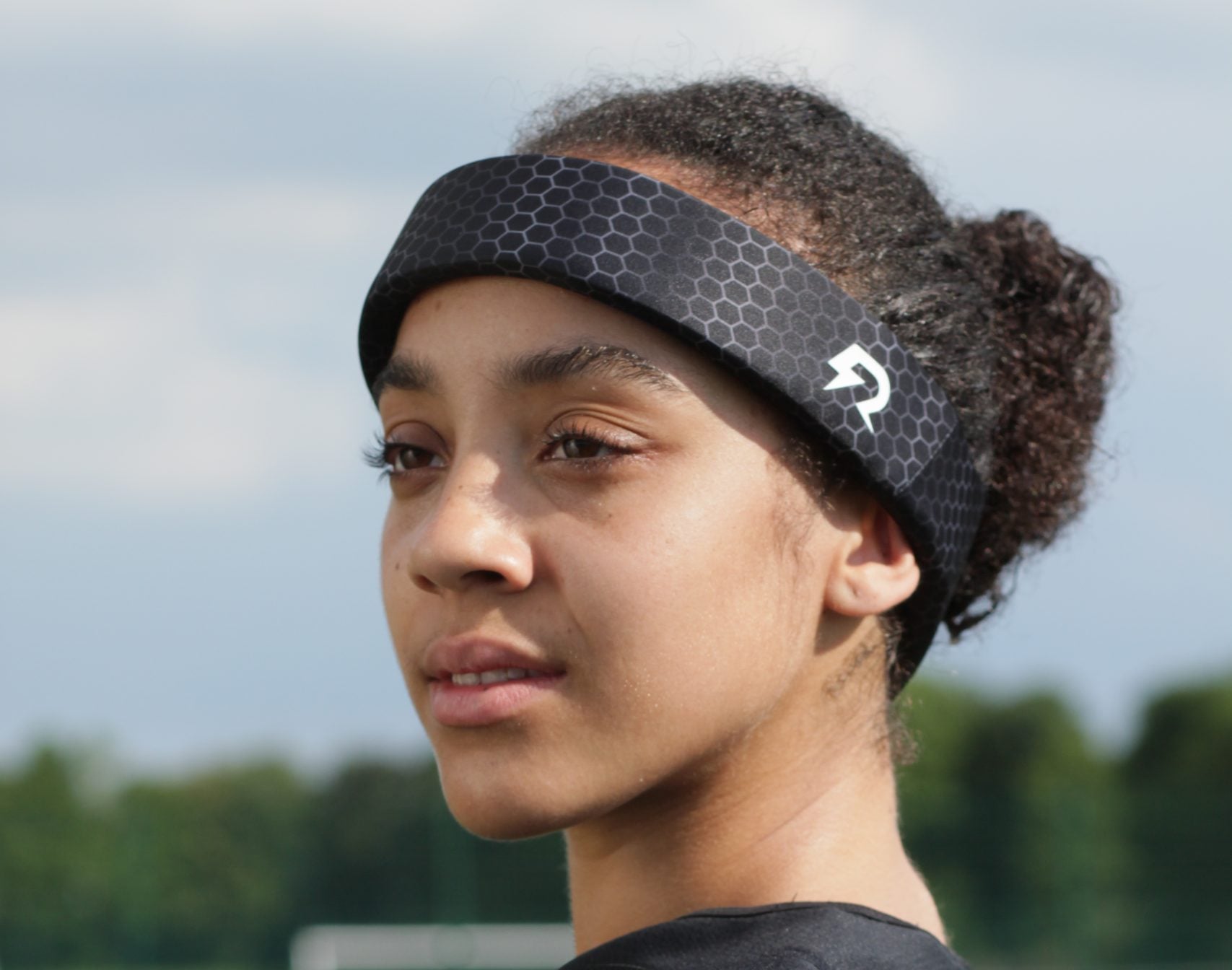 By Alex ReilyPublished On: 25/06/2026
How to choose a medical helmet for hot weather, balancing staying cool, hygiene, comfort and credible head protection.
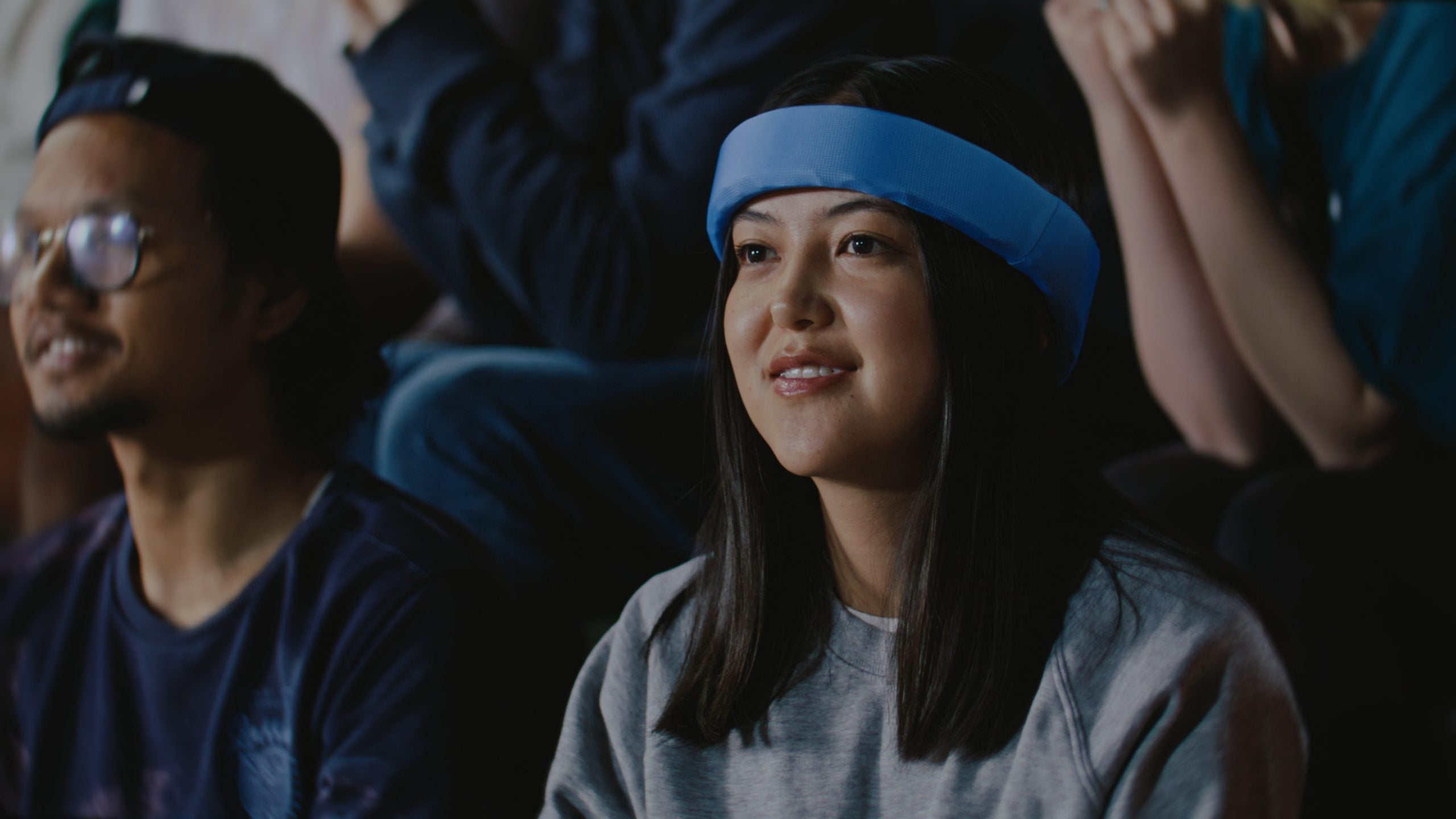 By Alex ReilyPublished On: 16/06/2026
Drop attacks can cause facial, dental and brain injuries. Learn why repeated-impact head protection and CE/UKCA Category II PPE matter.
 By Judith McMinnPublished On: 12/06/2026
Best medical head protection for MS should be comfortable, discreet and safety-certified.
-
By Judith McMinnPublished On: 03/06/2026
Elderly falls are common in later life and can lead to traumatic brain injury. Elderly head protection can reduce risk when falls do happen.
 By Judith McMinnPublished On: 12/05/2026
Discover the best head protection for hydrocephalus, including safety-certified, thin, discreet protection designed to be worn around shunts.
 By Alex ReilyPublished On: 29/04/2026
How certified protective headwear can support confidence, dignity and independence for people at risk of falls, seizures or head impacts.
 By Alex ReilyPublished On: 22/04/2026
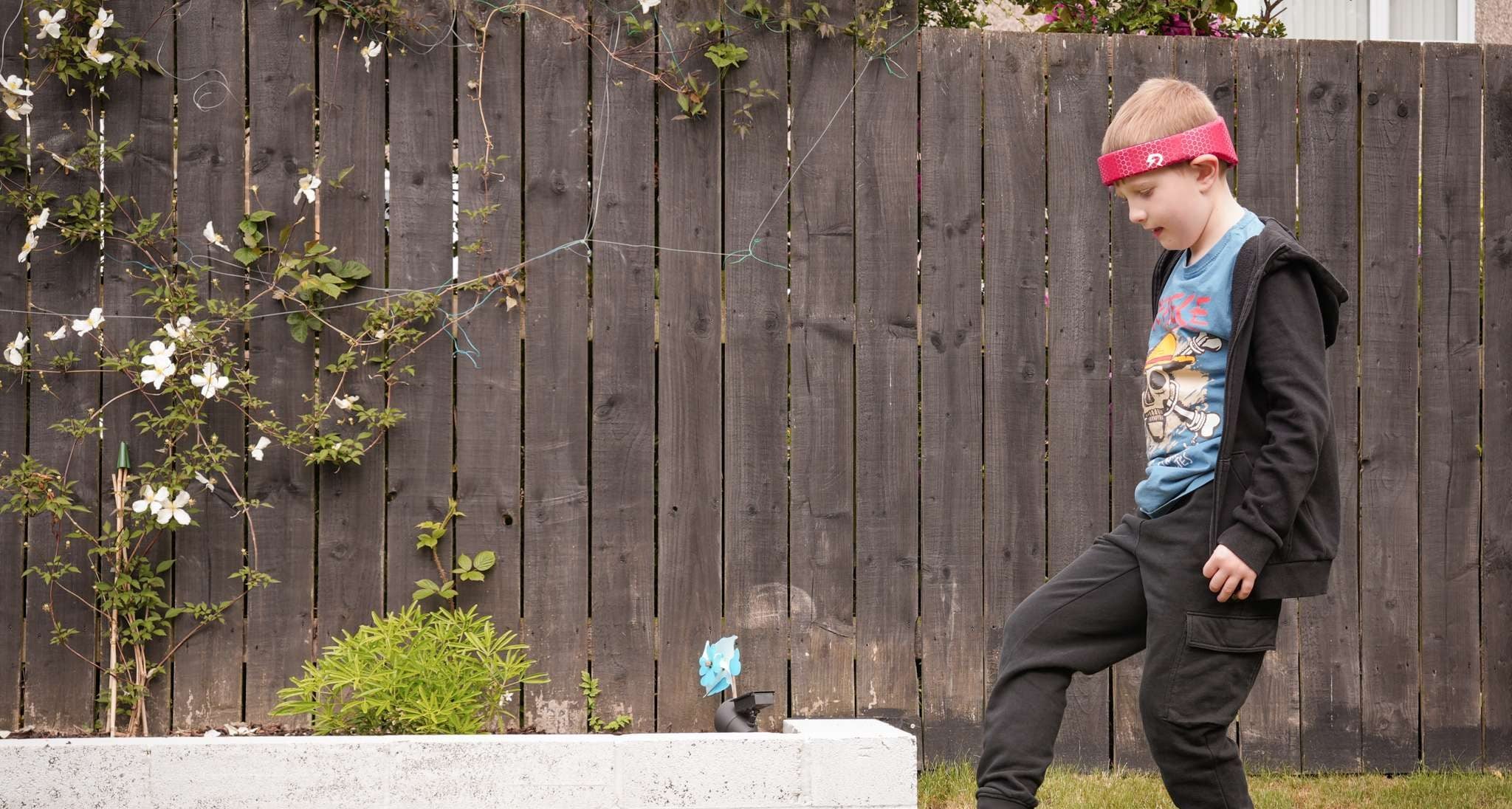
Looking for everyday head protection for kids? Discover why Rezon Halos® is designed to look less obviously medical while keeping protection first.
 By Alex ReilyPublished On: 22/04/2026
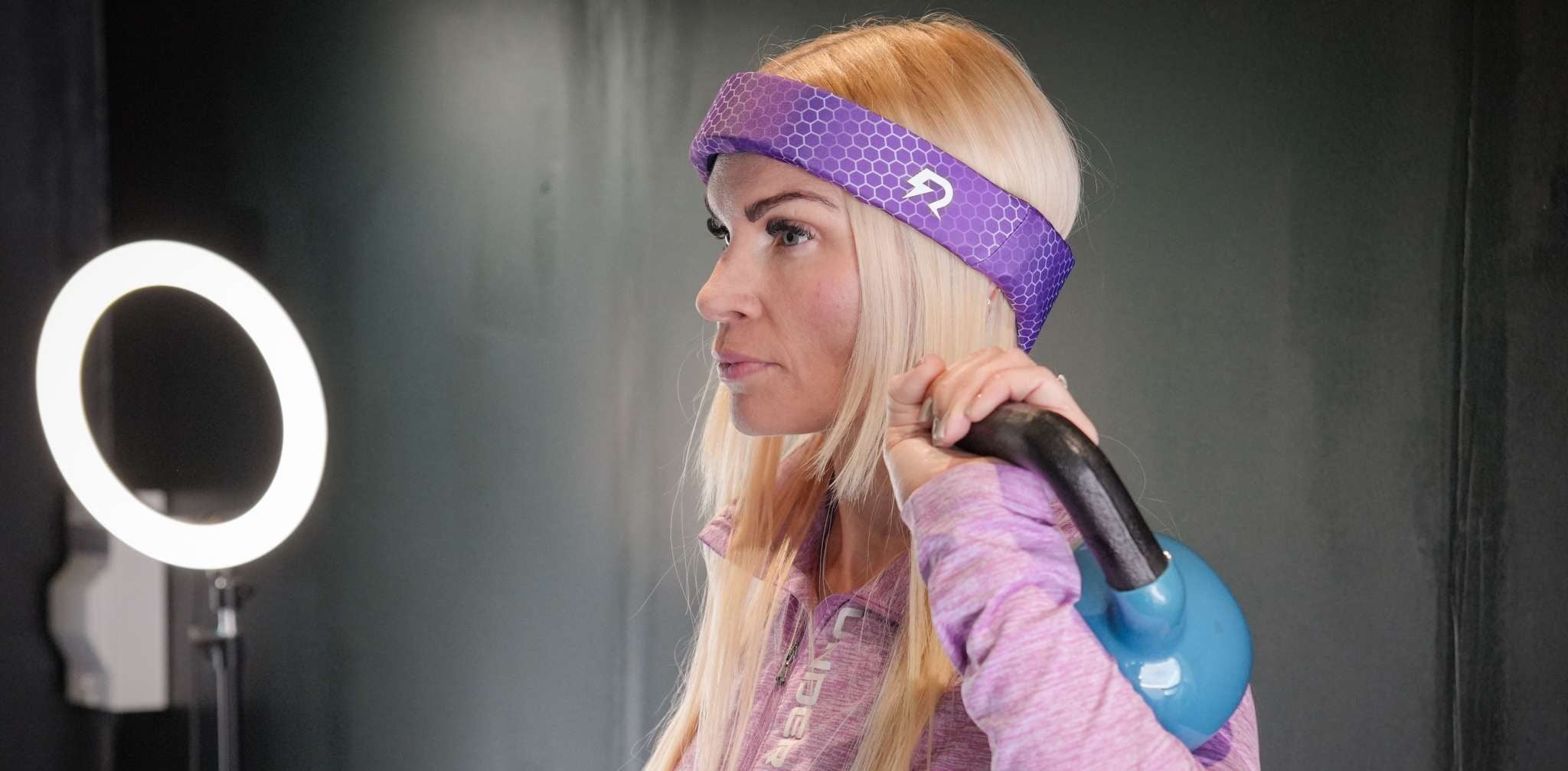
Looking for medical head protection for adults? Discover why Rezon Halos® is designed for discreet everyday wear at work, in public, and on the go.
 By Judith McMinnPublished On: 21/04/2026
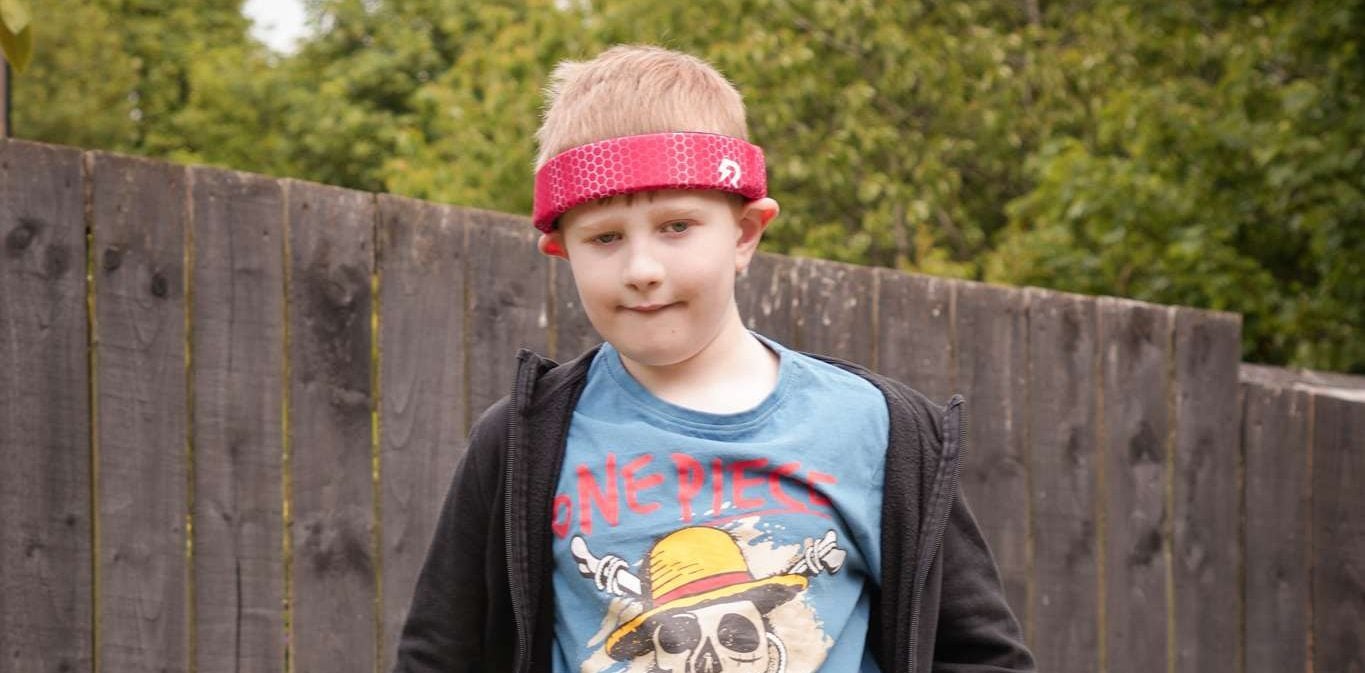
Looking for a special needs helmet for autism or developmental needs? Learn what matters most: protection, certification, tolerability, and continuous wear.
 By Judith McMinnPublished On: 14/04/2026
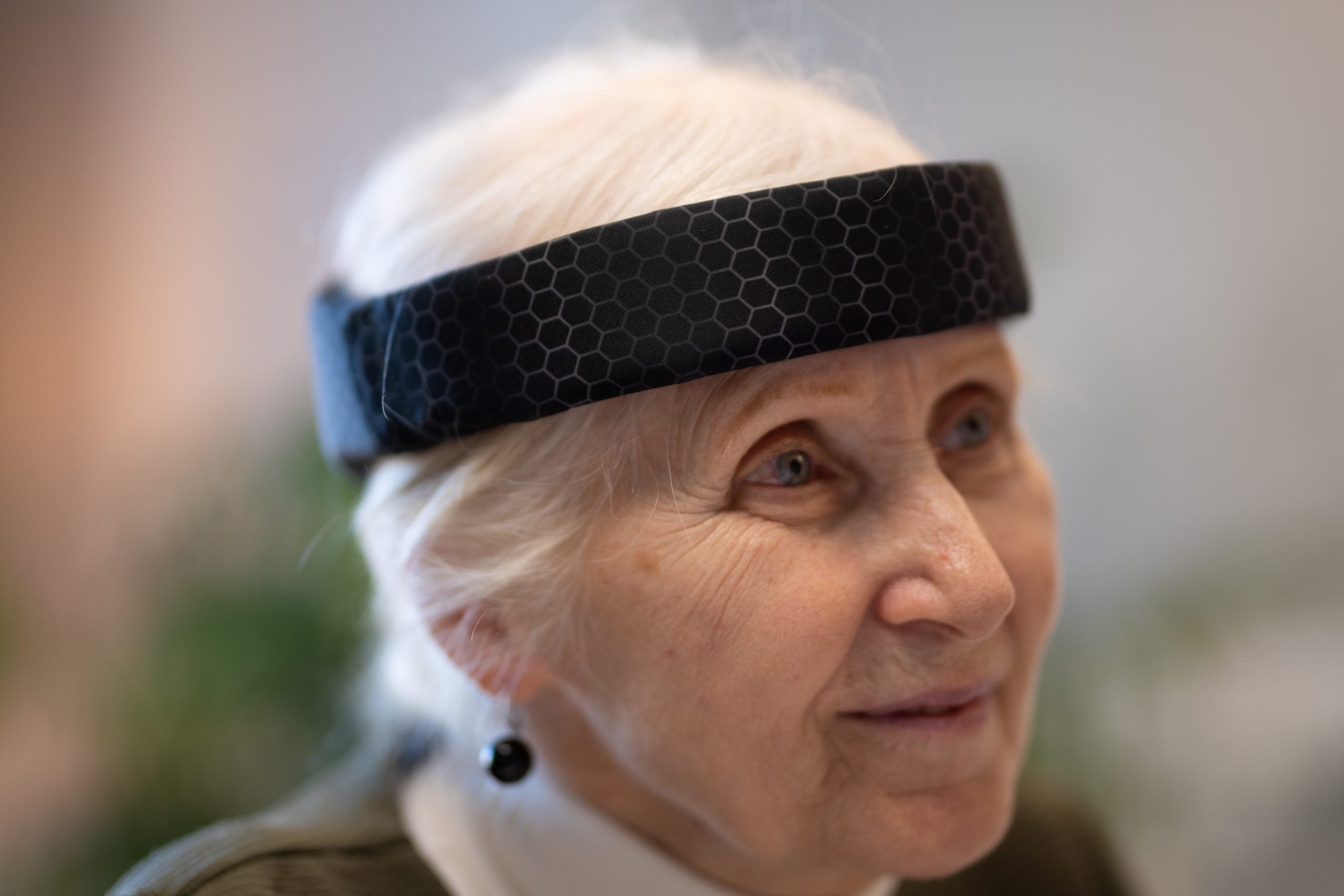
Learn what head protection can help people with Alzheimer’s disease or dementia, and what to compare when falls, confusion, or head injury risk increase.
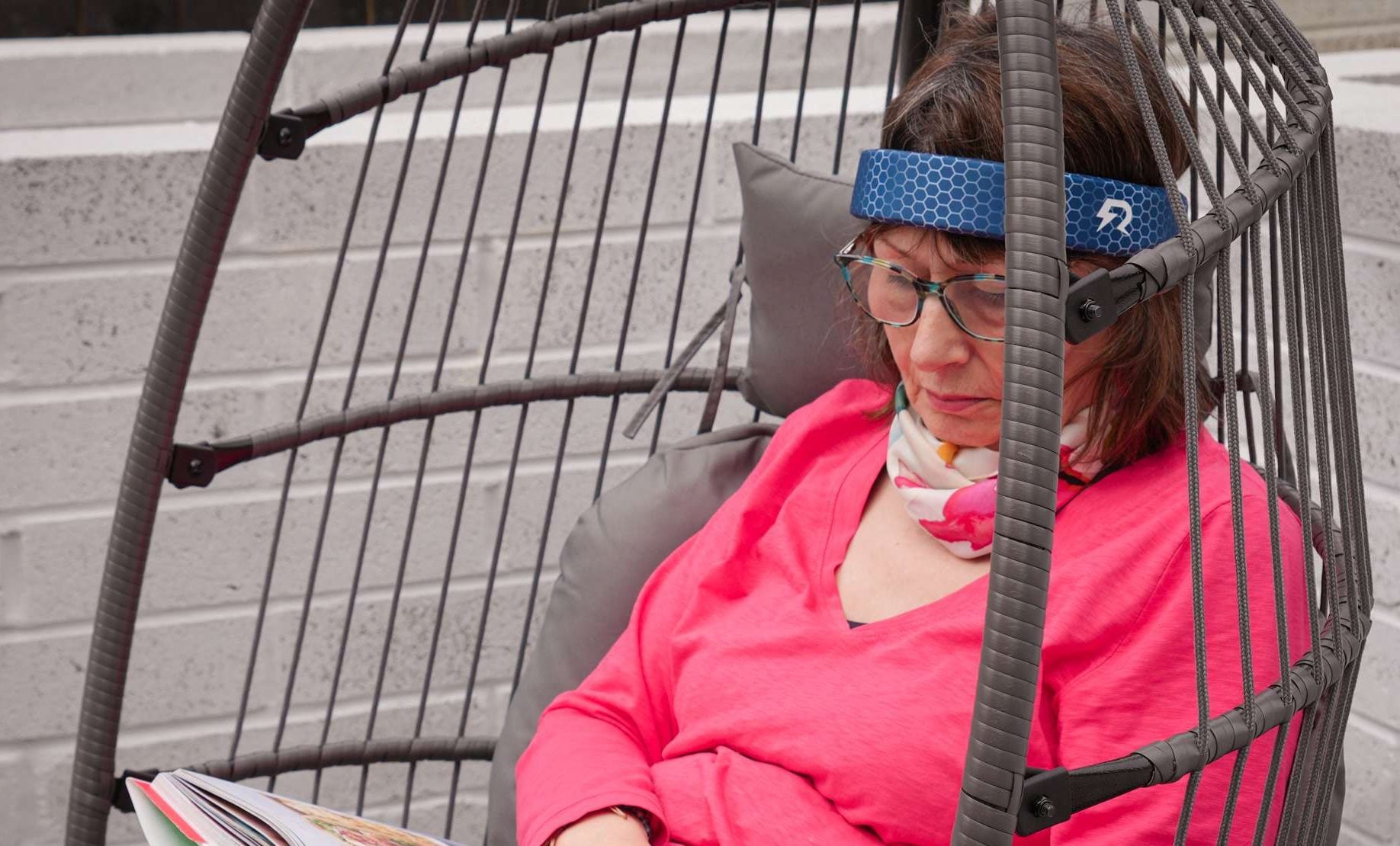 By Judith McMinnPublished On: 14/04/2026
Learn what head protection can help people at risk of falls, including older adults, children, and people with balance or neurological conditions.
-
By Judith McMinnPublished On: 13/04/2026
Learn when head protection may help in Parkinson’s disease, what to compare, and how to reduce head injury risk from falls.
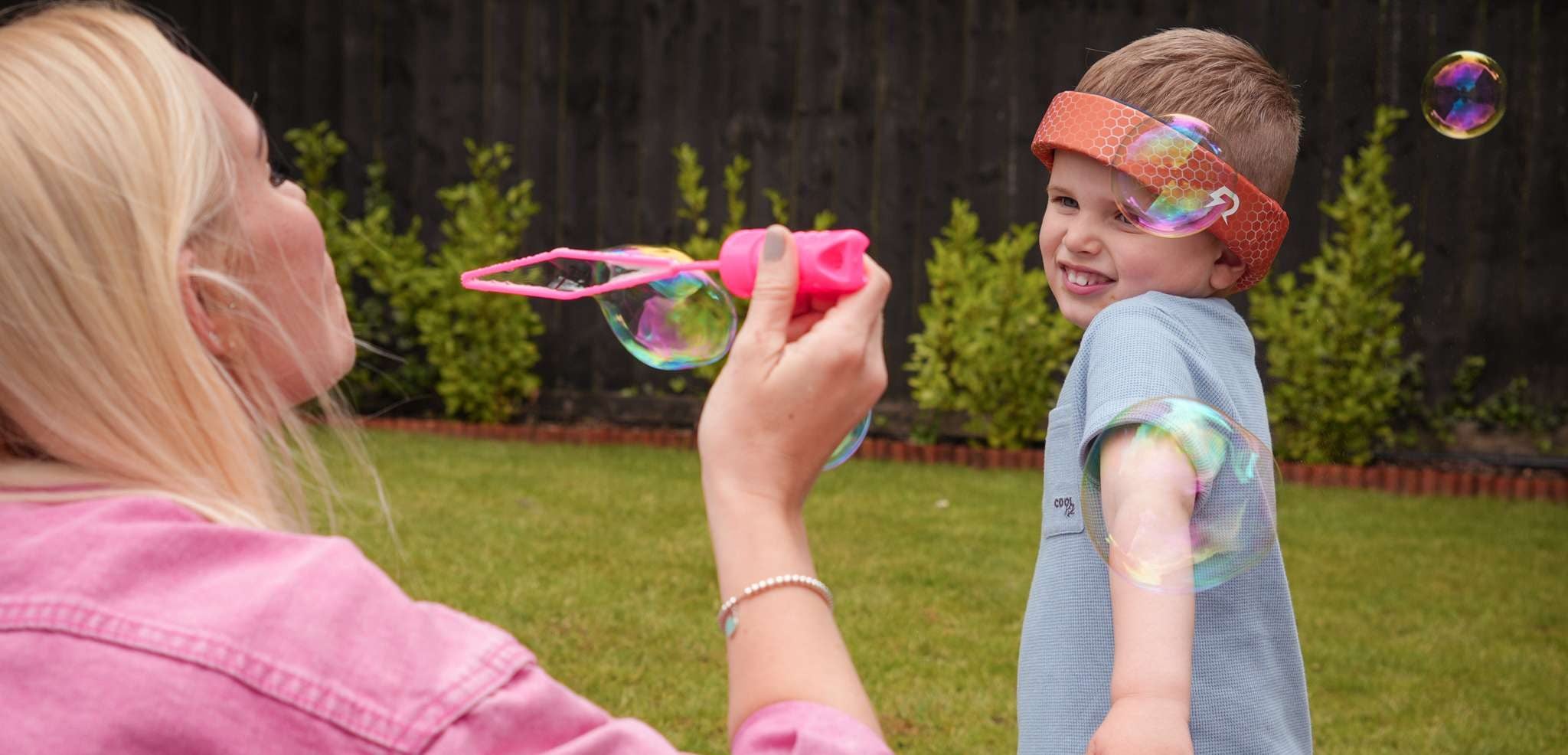 By Judith McMinnPublished On: 07/04/2026
Discover what makes the best head protection for cerebral palsy, including CE/UKCA PPE status, rotational force reduction, and everyday wearability.
 By Alex ReilyPublished On: 30/03/2026
Looking for the best medical head protection in 2026? Compare medical helmets, seizure headgear and certified PPE for everyday brain protection.
 By Alex ReilyPublished On: 23/03/2026
Compare everyday head protection options for people with epilepsy, including seizure helmets, certified PPE headwear, and features that matter in daily life.
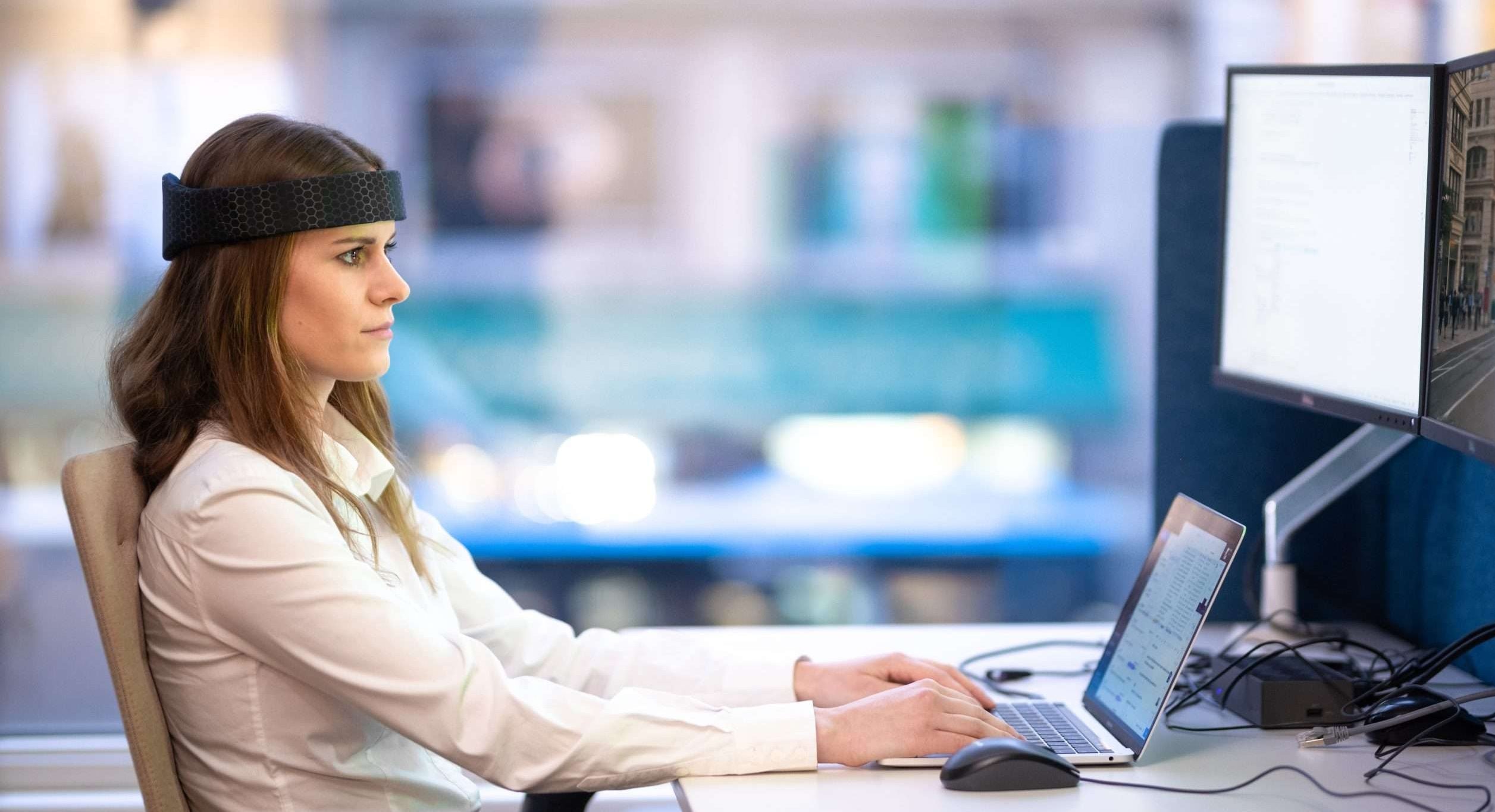 By Alex ReilyPublished On: 10/03/2026
How do seizure helmets and medical headgear compare for brain protection? This guide explains testing standards, PPE certification, and how different products perform for epilepsy, autism and fall-related head impacts.
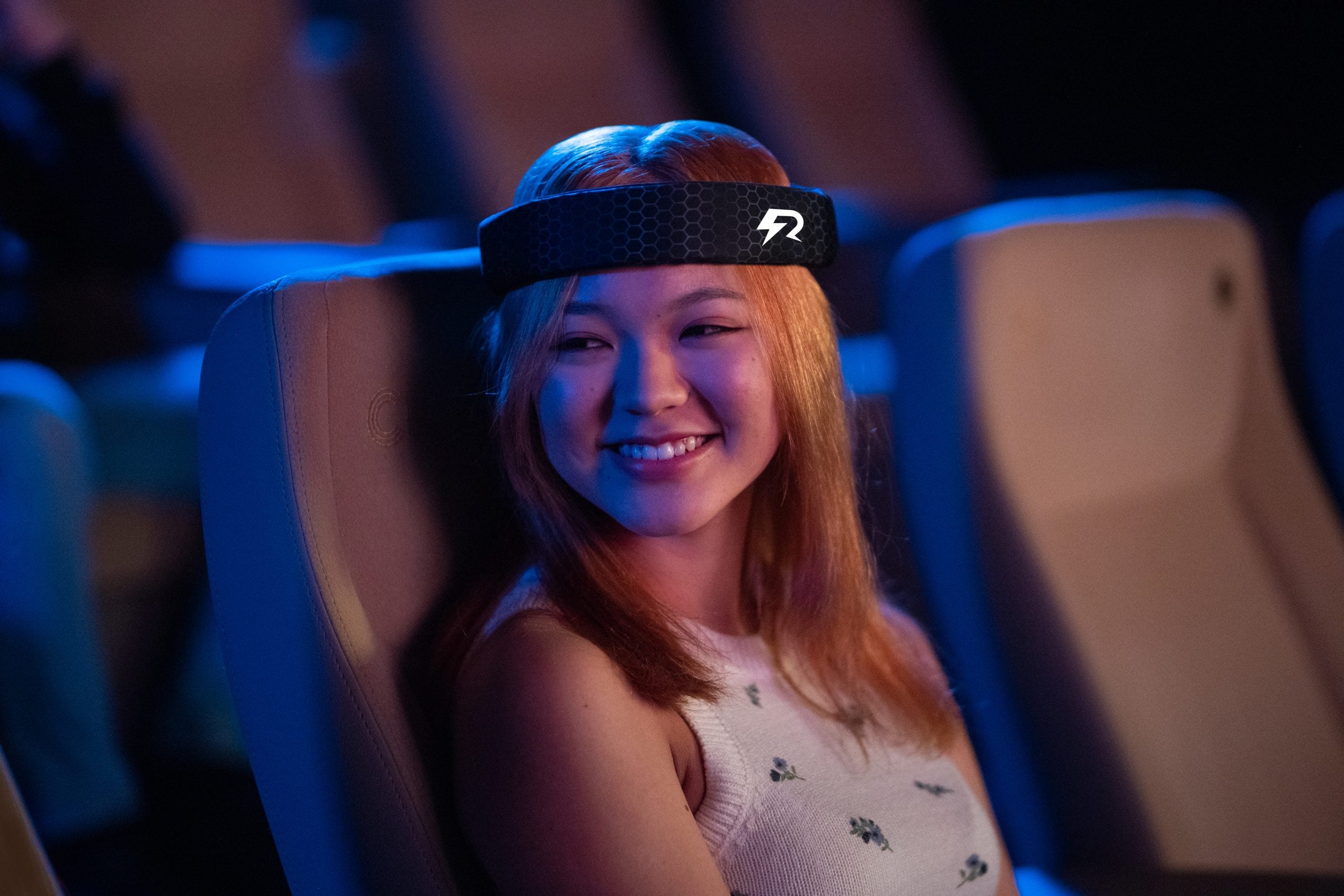 By Alex ReilyPublished On: 17/02/2026
CE/UKCA certification confirms that a product has been independently assessed against defined safety standards. Products marketed as “medical helmets”, “seizure helmets”, or protective headwear without this certification are typically not legally tested as PPE , nor usually been tested to demonstrate meaningful protection against brain injury.
 By Alex ReilyPublished On: 12/02/2026
People with autism may face a higher risk of head injury due to a combination of sensory processing differences, coordination or balance challenges, impulsive movements, repetitive behaviours such as head banging, and higher rates of co-occurring conditions, including epilepsy.
 By Alex ReilyPublished On: 03/02/2026
Older adults can face an increased risk of head injury due to falls. Head protection options are available to help reduce this risk in daily life, particularly for individuals living independently, receiving care at home, or residing in care settings.
 By Alex ReilyPublished On: 03/02/2026
Adjunctive neuroprotection focuses on risk reduction rather than treatment. It describes actions and tools that support brain safety during normal daily activities, without replacing medical care.
 By Alex ReilyPublished On: 21/01/2026
What is a medical helmet? Learn how medical helmets compare to CE/UKCA-certified PPE and what standards matter for real brain protection.
 By Judith McMinnPublished On: 26/09/2025
We are understanding more and more about the long-term consequences our brain suffers on impact, specifically the smaller-measured, repetitive hits.
 By Judith McMinnPublished On: 11/08/2025
Whenever a physical (tonic-clonic) seizure occurs, the head and brain is at risk. Knowing how to protect your head and brain from seizures and falls is important.
 By Judith McMinnPublished On: 19/05/2025
Medical conditions can increase the risk of head injury in a number of ways, involuntarily. So how are we protecting our brains?
 By Judith McMinnPublished On: 06/05/2025
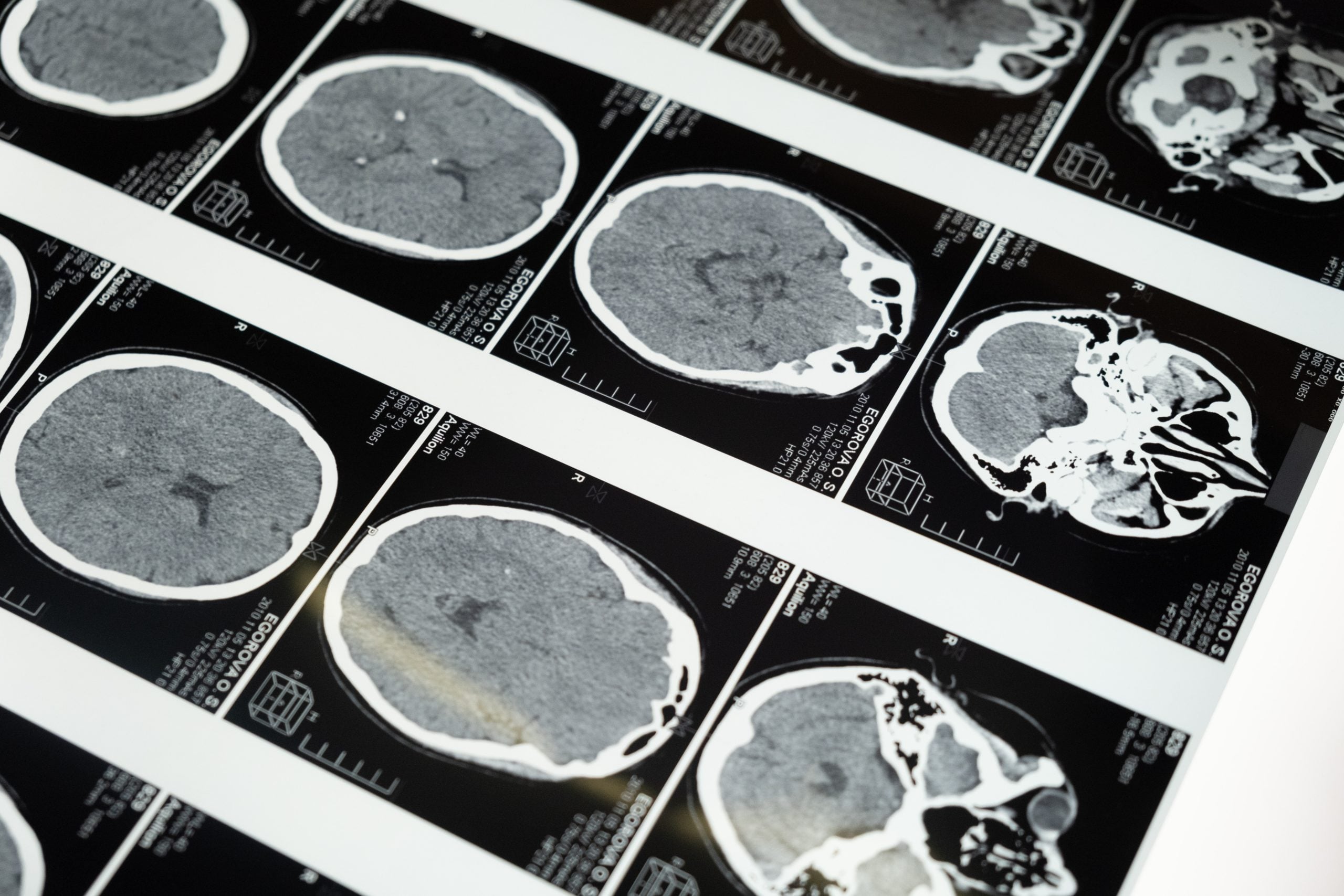
A concussion is a brain injury. Also known as “mild” Traumatic Brain Injury (mTBI), concussion is caused by a single impact to the head, and temporarily impairs brain function.
 By Judith McMinnPublished On: 03/08/2022
Sub-concussions occur when smaller-force head impacts cause brain injury without clinical signs and symptoms. This means individuals and those around them are not aware of this silent brain injury.