
What head protection options are available for people with autism?
What head protection options are available for people with autism?
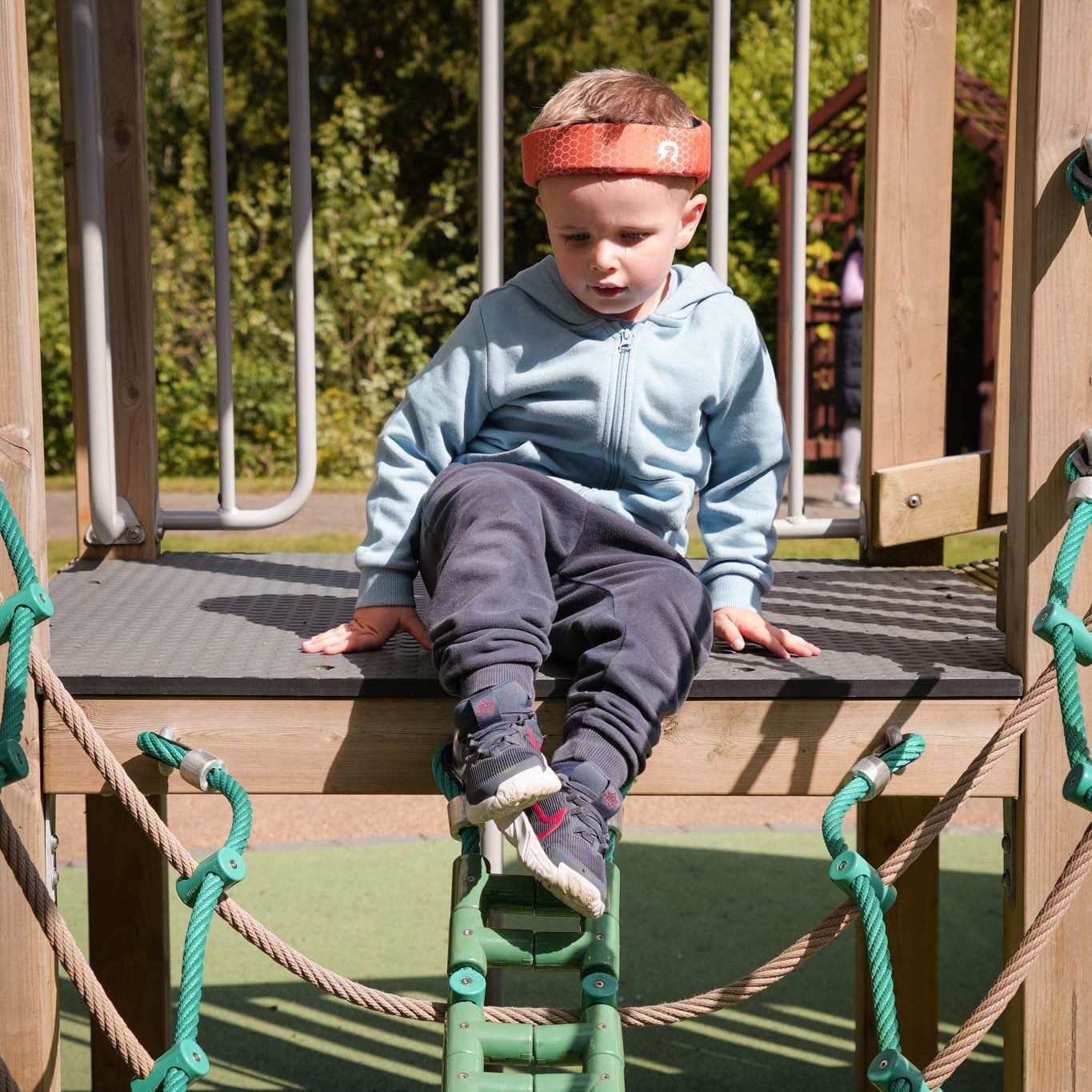
Some people with autism may face an increased risk of head injury in daily life due to factors such as sensory processing differences, reduced awareness of environmental hazards, balance or coordination challenges, or co-occurring conditions such as autism. Head protection options are available to help reduce this risk, particularly for individuals who experience frequent falls, headbanging, or head impacts. These range from helmets and padded headgear to certified personal protective equipment (PPE) designed for everyday wear. The Rezon Halos® autism helmet is a CE/UKCA Category II PPE-certified protective headband, designed to help reduce the risk of concussion and reduce the transmission of rotational forces to the brain during unexpected head impacts, supporting risk mitigation alongside existing care and support.
What is an autism helmet?
An autism helmet is a common term for protective headwear used by some autistic children or adults who may be at risk of head injury from head banging, falls, collisions, poor balance or repeated impacts. The term is descriptive rather than a formal safety category, so families and carers should look beyond the label and check whether the product is legally certified as CE/UKCA PPE, independently tested and tolerable for everyday wear.
Why people with autism may face a higher risk of head injury
Autism is a spectrum, and the factors that influence head injury risk can vary widely between individuals. For some people with autism, certain characteristics may increase the likelihood of accidental head impacts in everyday environments.
These factors can include:
- Sensory processing differences that affect spatial awareness
- Reduced recognition of environmental hazards
- Balance or coordination differences
- Impulsive movements or reduced ability to brace during a fall
- Co-occurring conditions such as epilepsy or motor disorders
- Repetitive movements such as head banging during periods of distress
These risks are not inherent to autism itself, but rather relate to how individuals interact with their surroundings. As a result, head injury risk is often linked to everyday situations, not just high-impact activities, which is why some families and caregivers consider head protection that can be worn comfortably during daily life [1].
How does certified head protection support risk reduction in daily life?
Head injury risk is strongly influenced by rotational forces, which occur when the head is struck or moved suddenly, causing the brain to rotate within the skull. These forces are associated with damage to brain cells and blood vessels and are present in many everyday falls and impacts.
The Rezon Halos® special needs helmet is designed to reduce the transmission of rotational forces to the brain during head impacts. Independent testing has shown that it can reduce concussion risk from head impacts by up to 74% and reduce rotational force transmission by at least 60%, based on controlled testing conditions. This supports its use as adjunctive neuroprotection for individuals who may be at increased risk of head impacts in daily life.
Additional features that support everyday use include:
- CE/UKCA Category II PPE certification
- Independent testing and a Virginia Tech 5-Star Safety Rating [3]
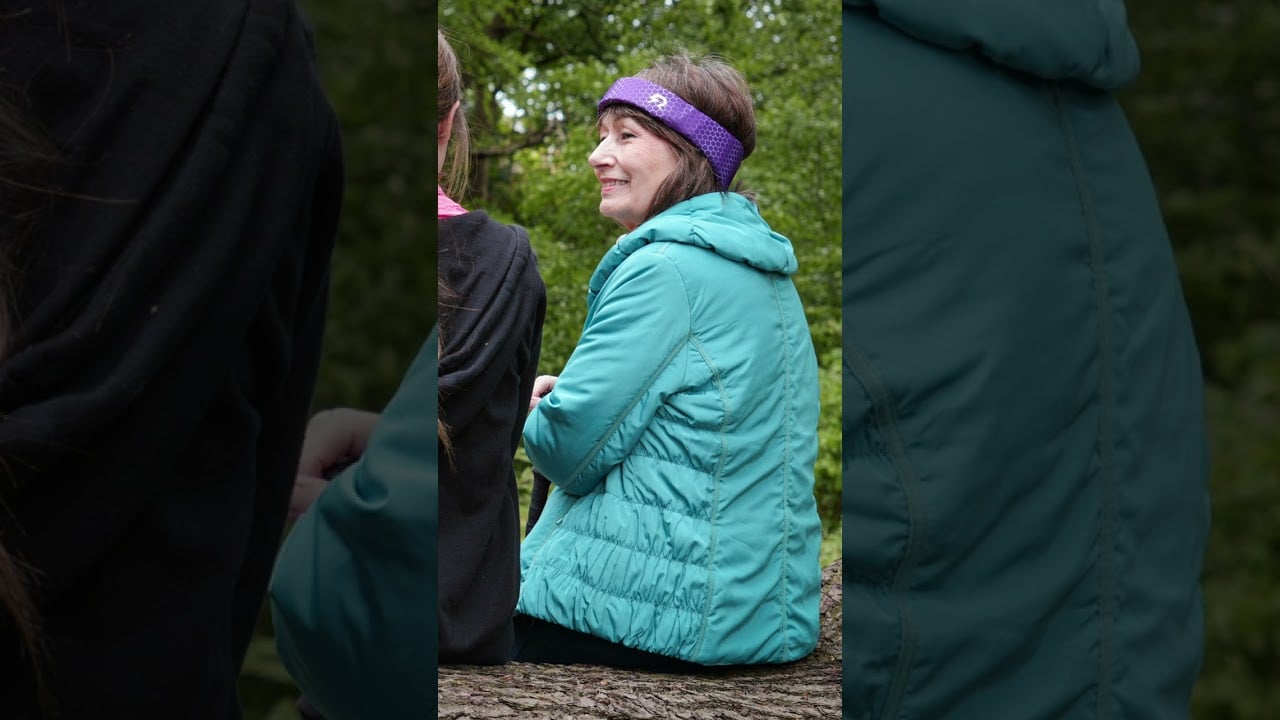
- A discreet, low-profile design suitable for daily wear
- Available in multiple colours and designed to look stylish
- Suitable for use in water when bathing or swimming
- Suitable for use overnight and when sleeping
- Compatibility with glasses, hearing aids, and cochlear implants
- Suitability for wearers of all ages, from infancy through older adulthood
- An optional chin strap is available for additional stability where needed
By focusing on risk reduction rather than restriction, certified PPE can support safer participation in everyday activities without replacing existing care or support.
Watch: 3 things to check before choosing protective headwear for autism
Comfort and sensory considerations for daily wear
Comfort is a critical factor when considering head protection for people with autism. Many autistic individuals experience heightened sensory sensitivity, and full head coverings or rigid materials can be uncomfortable or intrusive.
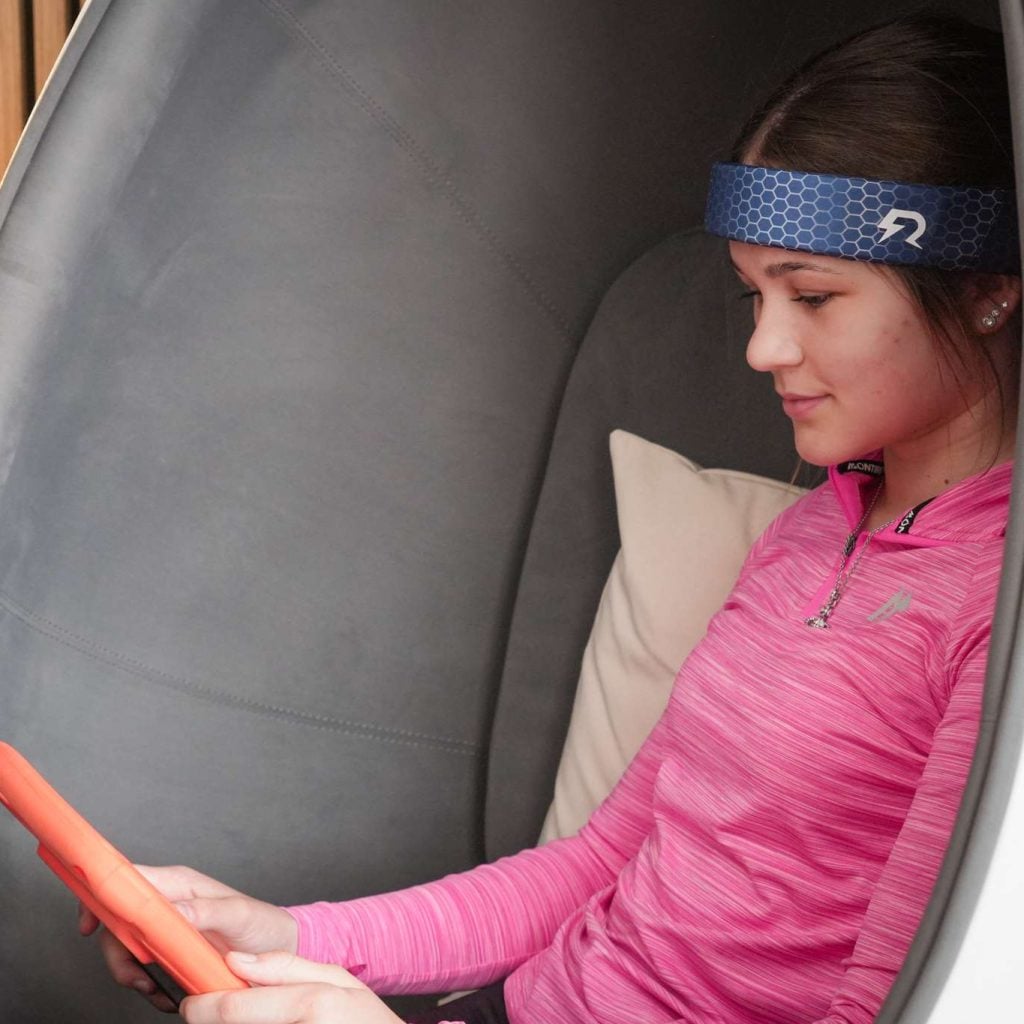
Head protection that is lightweight, low-profile, and less intrusive than full head coverings may be better tolerated and more likely to be worn consistently. Rezon Halos® is designed to sit discreetly around the head rather than enclosing it, which can reduce sensory burden and improve comfort during extended wear. Halos® can be worn above the ears or covering them, depending on personal preference and need.
For individuals who may find traditional helmets or padded headguards difficult to tolerate, comfort and sensory acceptability can play a key role in whether protection is practical for daily life.
Autism, activity, and equitable access to participation
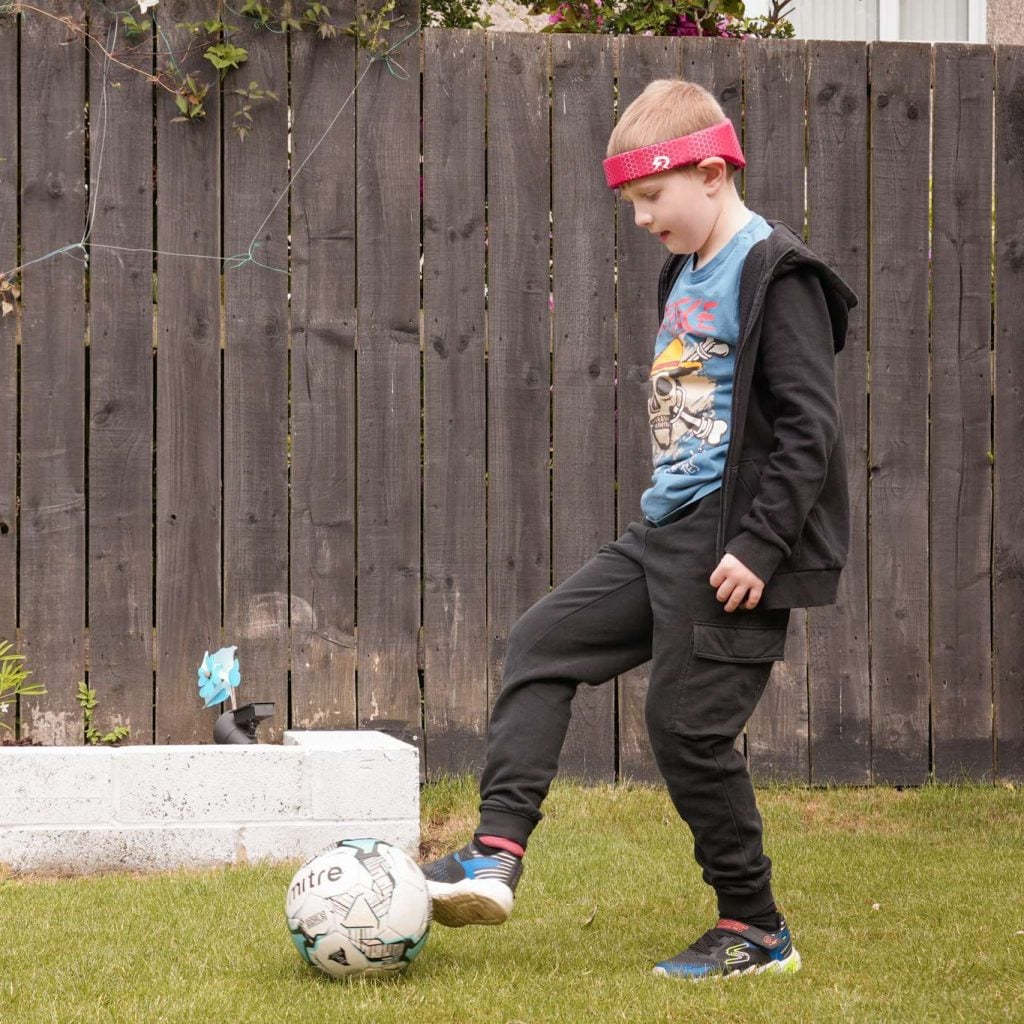
For some autistic individuals, bulky or restrictive headgear can limit participation in physical activity, play, or sport. While helmets and padded headguards may be appropriate in certain situations, they can also be frustrating or distracting, particularly when worn for extended periods.
Discreet, certified head protection may offer an alternative that supports equitable access to activity without the discomfort associated with full head coverings. By reducing intrusiveness, everyday head protection can help some individuals participate more comfortably in movement and activity, whether at school, at home, or in community settings.

How can caregivers choose appropriate head protection for autism?
When considering autism head protection, caregivers may find it helpful to look for:
- Clear CE/UKCA Category II PPE certification
- Independent safety testing
- Comfort and sensory tolerability
- Discreet design and colour options that support dignity
- Suitability for daily wear rather than situational use
The decision to use head protection is personal and should be made alongside existing care, educational, and therapeutic support.
Comparing commonly used autism headgear and special needs helmets
The table below compares several types of headgear commonly recommended or supplied through charities, medical suppliers, and care equipment providers, for autism, epilepsy, neurological conditions, or special needs protection.
The comparison focuses on objective criteria including biomechanical testing, CE/UKCA PPE certification status, suitability for everyday wear, and practical considerations such as compatibility with different hair types.
| Protection Comparison Criteria | Rezon Halos® | Ribcap | Danmar / soft helmets | Head Protex | HP1 / 2 / 3 Special Needs Helmet | Conventional sports headgear / scrum caps |
|---|---|---|---|---|---|---|
| Is the product designed to reduce brain injury risk? | Yes | No | No | No | No | No |
| Is the product CE / UKCA certified as PPE? | Yes. CE / UKCA Category II PPE | No PPE Classification | No PPE Classification | No PPE Classification | No PPE Classification | Typically no PPE Classification |
| Is the product a registered medical device? | Yes. FDA Registered (US). | No | No | No | No | No |
| Is rotational force reduction independently tested? | Yes. Up to 61%* | No publicly available testing | No publicly available testing | No publicly available testing | No publicly available testing | In some cases |
| Does the product have independent biomechanical testing? | Yes. Virginia Tech Helmet Lab 5-Star Rating | No published biomechanical testing | No published biomechanical testing | No published biomechanical testing | No published biomechanical testing | No World Rugby approved product has declared a 4- or 5-Star Virginia Tech rating |
| Is linear impact reduction independently tested? | Yes. Up to 64%* | No publicly available testing | No publicly available testing | No publicly available testing | No publicly available testing | In some cases |
| Is it designed for continuous wear? | Yes | No | No | No | No | No |
| Can it be worn when swimming or bathing? | Yes | No | No | No | No | No |
| Is it suitable for all ages? | Yes | No | No | No | No | No |
| Is it suitable for all hair types? | Yes | No | No | No | No | No |
| Is it machine washable? | Yes | No | No | No | No | In some cases |
| Can it be worn with glasses? | Yes | In some cases | In some cases | In some cases | In some cases | No |
| Can it be worn with cochlear implants and hearing aids? | Yes | In some cases | No | No | No | No |
As shown in the comparison above, many products described as head protection for autism or as a special needs helmet provide surface padding but are not independently tested to reduce the rotational forces associated with brain injury and do not carry CE or UKCA PPE certification.
Frequently asked questions about head protection for autism
Supporting safer daily life with autism
Autism affects individuals in different ways, and head injury risk can vary widely. Understanding available head protection options allows individuals and caregivers to make informed choices that support safety, comfort, and participation in daily life.
Certified PPE such as Rezon Halos® offers a discreet, evidence-based option to help reduce the risk of head injury during everyday activities, alongside existing care and support. For many families, this additional layer of protection can support greater confidence and peace of mind while respecting individual needs and preferences.
Author: Alex Reily
