
What is the best epilepsy head protection for people at risk of seizures or falls?
What is the best type of head protection for epilepsy?
The best epilepsy head protection depends on seizure type, fall risk, and whether protection needs to be worn throughout the day. For many people, the best option is head protection that is independently tested, legally certified, and comfortable enough for consistent daily wear. While hard helmets and padded headgear may help to reduce cuts and abrasions, CE/UKCA Category II PPE-certified protective headwear is often the strongest option for everyday use because it combines safety validation with practical wearability.
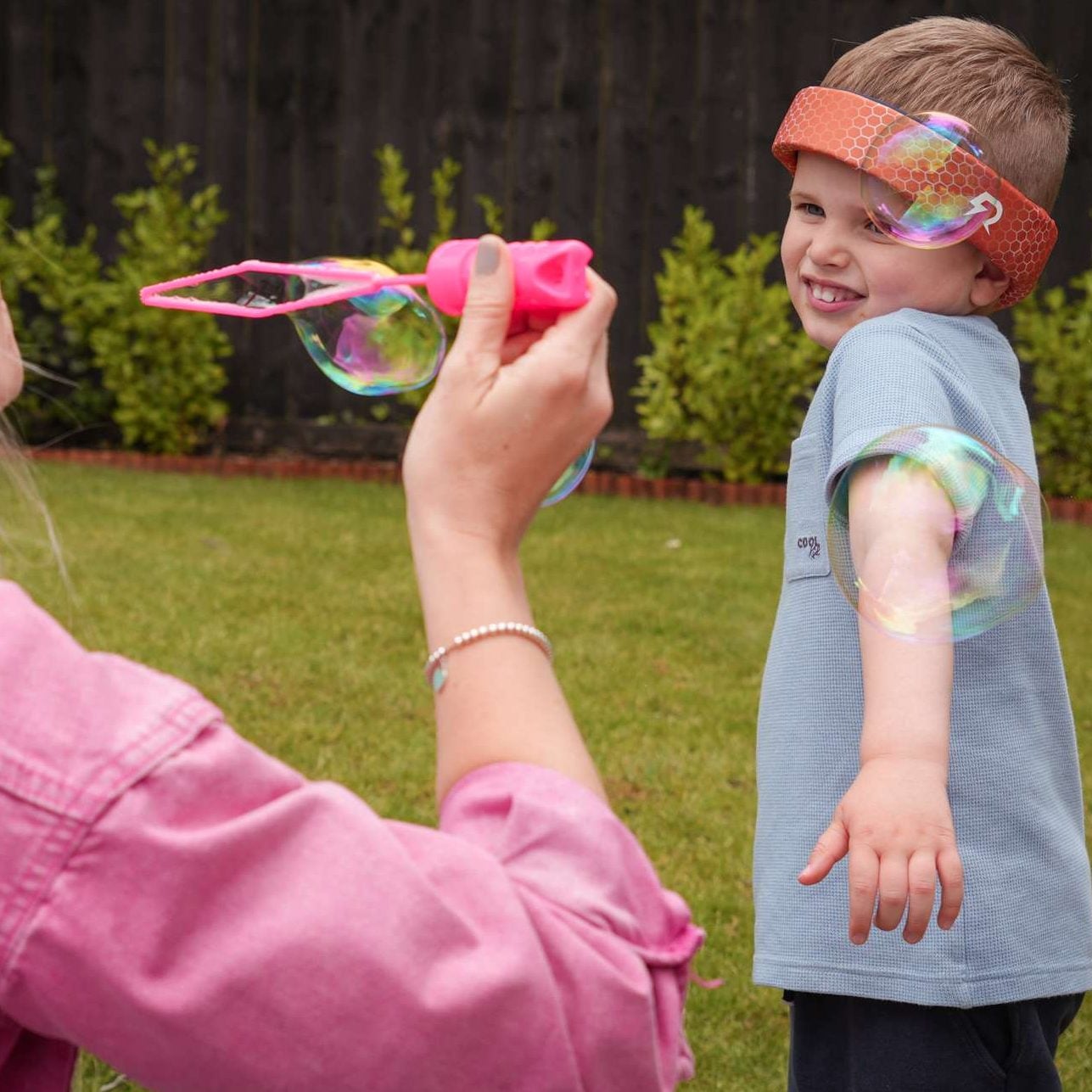
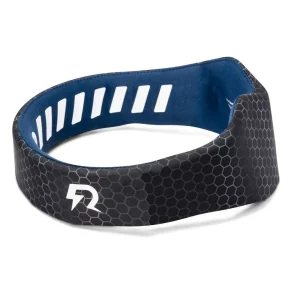
Rezon Halos®, a CE/UKCA Category II PPE-certified protective headband suitable for wearers of all ages from infancy through older adulthood, is designed to help reduce the transmission of rotational forces to the brain during unexpected head impacts. Rezon Halos® is listed in Epilepsy Action’s Epilepsy Technology Guide as a protective headwear option for children and adults affected by epilepsy.
Why people with epilepsy face a higher risk of head injury
Seizures can occur without warning and may involve sudden collapse, loss of muscle control, or impaired awareness. During these moments, people are often unable to brace themselves or protect their head, increasing the likelihood of head impacts [1].
Additional factors can further raise risk, including:
- Falls from standing height
- Previous head injuries, which may increase brain injury vulnerability
- Environmental hazards in the home or community
Because many seizures happen during everyday activities and are unpredictable, head injury risk is not limited to specific settings or high-impact environments. This is why protection that can be worn discreetly during daily life is often considered by patients and caregivers.
What should the best head protection for epilepsy offer?
- Independent testing for brain-injury-related impacts
- CE/UKCA Category II PPE certification
- Suitability for continuous daily wear
- Discreet and low-profile design
- Compatibility with glasses, hearing aids, and different hair types
- Practical use in normal life, including home and community settings
Comparing commonly used epilepsy headgear
The table below compares several types of headgear commonly recommended or supplied through charities, medical suppliers, and care equipment providers, for epilepsy, neurological conditions, or special needs protection.
The comparison focuses on objective criteria including biomechanical testing, CE/UKCA PPE certification status, suitability for everyday wear, and practical considerations such as compatibility with different hair types.
| Protection Comparison Criteria | Rezon Halos® | Ribcap | Danmar / soft helmets | Head Protex | HP1 / 2 / 3 Special Needs Helmet | Conventional sports headgear / scrum caps |
|---|---|---|---|---|---|---|
| Is the product designed to reduce brain injury risk? | Yes | No | No | No | No | No |
| Is the product CE / UKCA certified as PPE? | Yes. CE / UKCA Category II PPE | No PPE Classification | No PPE Classification | No PPE Classification | No PPE Classification | Typically no PPE Classification |
| Is the product a registered medical device? | Yes. FDA Registered (US). | No | No | No | No | No |
| Is rotational force reduction independently tested? | Yes. Up to 61%* | No publicly available testing | No publicly available testing | No publicly available testing | No publicly available testing | In some cases |
| Does the product have independent biomechanical testing? | Yes. Virginia Tech Helmet Lab 5-Star Rating | No published biomechanical testing | No published biomechanical testing | No published biomechanical testing | No published biomechanical testing | No World Rugby approved product has declared a 4- or 5-Star Virginia Tech rating |
| Is linear impact reduction independently tested? | Yes. Up to 64%* | No publicly available testing | No publicly available testing | No publicly available testing | No publicly available testing | In some cases |
| Is it designed for continuous wear? | Yes | No | No | No | No | No |
| Can it be worn when swimming or bathing? | Yes | No | No | No | No | No |
| Is it suitable for all ages? | Yes | No | No | No | No | No |
| Is it suitable for all hair types? | Yes | No | No | No | No | No |
| Is it machine washable? | Yes | No | No | No | No | In some cases |
| Can it be worn with glasses? | Yes | In some cases | In some cases | In some cases | In some cases | No |
| Can it be worn with cochlear implants and hearing aids? | Yes | In some cases | No | No | No | No |
For people who need head protection for epilepsy in everyday life, the best option is usually the one that combines legal certification, independent biomechanical testing, and practical wearability. Products that offer only padding may still be used in some settings, but they do not necessarily provide the same level of safety assurance for unpredictable daily falls.
Learn more in this epilepsy helmet and seizure helmet guide.
How does Rezon Halos® support risk reduction for people with epilepsy?
Rezon Halos® is designed to reduce the transmission of rotational forces to the brain during head impacts. Rotational forces are strongly associated with brain injury risk, and are present in all head impacts, whether caused by falls or unexpected impacts.
Rotational forces cause the brain to rotate inside the skull. This is associated with tearing of tiny blood vessels and brain cells resulting, over time, in the breakdown of the blood-brain barrier and the creation of damaging neuro-inflammation

Independent testing has shown that Rezon Halos® can reduce concussion risk from head impacts by up to 74% and reduce rotational force transmission by at least 60% [4]. This data reflects performance under controlled conditions and supports its use as adjunctive neuroprotection for people at increased risk of head impacts.
Additional features that make it suitable for epilepsy-related risk include:
- CE/UKCA Category II PPE certification
- Virginia Tech 5-Star Safety Rating [5]
- Discreet, low-profile design suitable for daily wear
- Compatibility with glasses, hearing aids, and cochlear implants
By offering certified UKCA/CE protection that can be worn during everyday activities, Rezon Halos® supports risk mitigation without restricting movement or replacing medical care for wearers of all ages.

When might head protection be considered for epilepsy?
Head protection may be considered by individuals of all ages with epilepsy, from infants as young as one month through to older adults, or chosen by caregivers, or clinicians in situations such as:
- Frequent or uncontrolled seizures
- History of falls or head injuries
- Increased vulnerability following a concussion/brain injury
- Periods of return to activity under medical guidance
- Daily living environments where falls are more likely
The decision to use head protection is personal and should be made alongside existing care and safety planning [6].
Frequently asked questions about head protection for epilepsy
Author: Judith McMinn
