
What Is a Medical Helmet, and Do You Need One?
What Is a Medical Helmet, and Do You Need One?
A medical helmet is protective headwear used by people who may be at increased risk of hitting their head because of seizures, falls, neurological conditions or repeated head-impact behaviours. However, “medical helmet” is a broad descriptive term; it does not tell you how a product has been tested, what injuries it is designed to reduce or whether it is certified as protective equipment.
You may need to consider medical head protection when a condition creates a significant or repeated risk of an uncontrolled head impact. This can include situations where someone:
- Falls suddenly and cannot protect themselves with their hands
- Experiences seizures that cause loss of posture or consciousness
- Has frequent falls because of balance, mobility or coordination problems
- Repeatedly strikes their head against floors, walls, doorways or furniture
- Has an area of particular vulnerability following surgery or injury
- Is prone to self-injurious behaviour including head banging
- Has already experienced head injuries and remains at continuing risk
Do medical helmets offer brain protection?
The term medical helmet is commonly used to describe headworn protection for people at risk of head impacts due to conditions such as epilepsy, autism, neurological injury, or falls risk. However, medical helmet is not a legally defined or regulated safety category in the UK or Europe. In these regions, only products certified as Personal Protective Equipment (PPE) are legally approved to claim protection against head or brain injury. Many products marketed as medical or special-needs helmets are padded headgear rather than certified PPE. Rezon Halos® is CE/UKCA Category II PPE-certified and independently tested to reduce concussion risk by reducing rotational forces transmitted to the brain. This is a legal position, not a marketing position.
What does the term medical helmet actually mean?
Medical helmet is a descriptive or marketing term, not a regulatory classification. The term is often used in the context of conditions such as autism, where everyday head impacts may be a concern [1].
It is often used to indicate:
-
The intended user (for example, someone with epilepsy or developmental needs)
-
A care context (home, school, care setting)
What it does not indicate is:
-
Legal certification status
-
Independent safety testing
-
Approval to claim reduction of head or brain injury risk
As a result, products described as medical helmets can differ significantly in what protection they have actually been tested to provide.

Why legal certification matters more than product labels
In the UK and Europe, any product marketed as protective headwear intended to reduce head or brain injury risk must comply with PPE regulations and hold appropriate CE or UKCA certification [2].
Key distinction:
- Category I PPE covers protection from superficial injury (for example, light scuffs or abrasions)
- Category II PPE applies when there is a risk of serious injury, including head impacts that may result in concussion or brain injury
Products that do not hold CE/UKCA Category II PPE certification are not legally approved to make injury-reduction claims relating to head or brain injury. This distinction is particularly important for individuals at risk of unpredictable falls or repeated head impacts.
How do medical helmets compare to certified PPE head protection?
|
|||||||||||||||||||||||||||||||||||||
|---|---|---|---|---|---|---|---|---|---|---|---|---|---|---|---|---|---|---|---|---|---|---|---|---|---|---|---|---|---|---|---|---|---|---|---|---|---|
Are most medical helmets legally approved to protect the brain?
In many cases, <strong”>no.</strong”>
While padded helmets may help reduce surface injuries such as cuts or bruises, most products marketed as medical or special-needs helmets:
- Are not CE/UKCA Category II PPE
- Are not independently tested for concussion, sub-concussion or rotational force risk reduction
- Are not legally approved to claim a reduction of head or brain injury risk in the UK or Europe
This does not mean such products have no place, but it does mean their protective claims are limited by law. This distinction is particularly relevant for people with epilepsy, where head impacts may occur unpredictably during seizures or falls [4].

Is Rezon Halos® a medical helmet?
The term medical helmet is a marketing position rather than a legal safety categorisation.
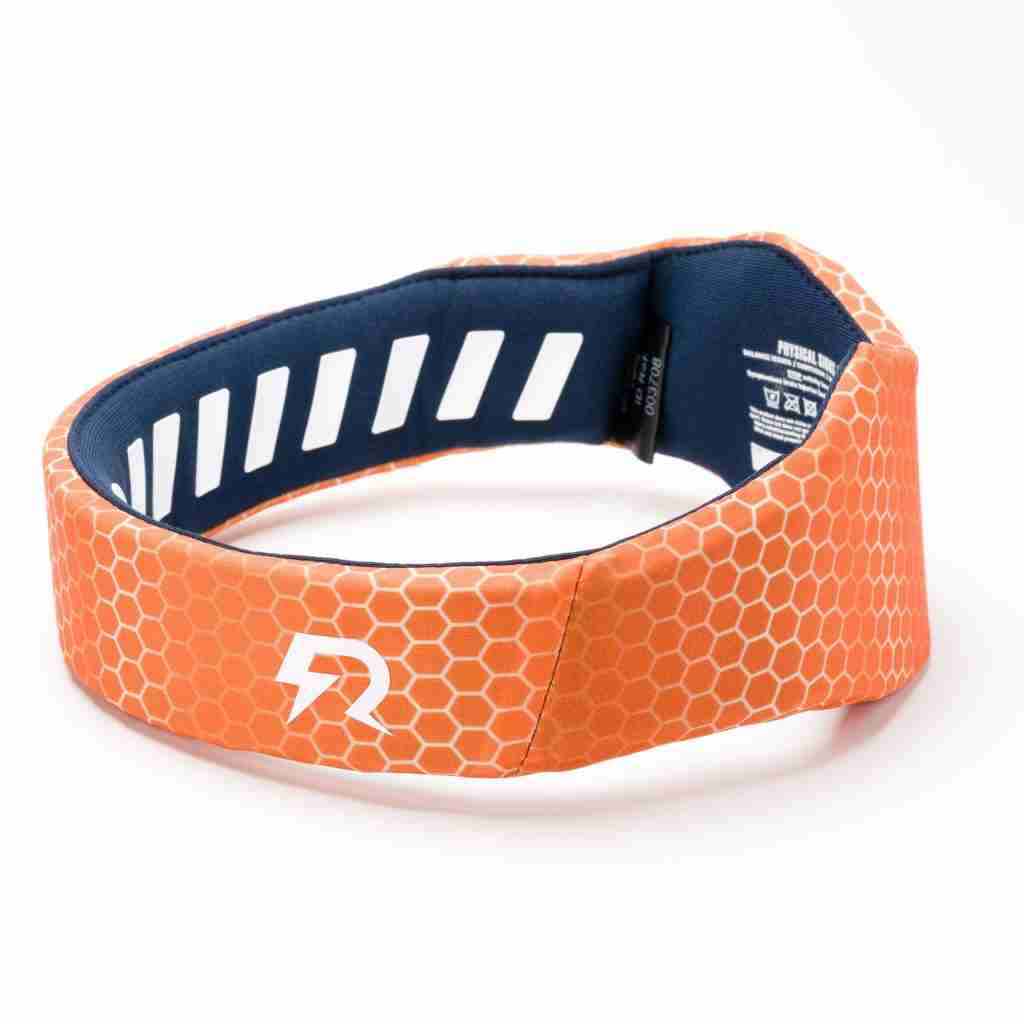
Rezon Halos® is often described as a medical helmet, but it also carries credible safety certification. Rezon Halos® is a CE and UKCA Category II PPE protective headband, designed to reduce the transmission of rotational forces to the brain and reduce concussion risk during head impacts. In the UK, it is regulated as certified PPE rather than a medical device, reflecting its protective role rather than any diagnostic or therapeutic function.
In some geographies, Rezon Halos® may be listed as a Class I medical device, depending on local regulatory definitions. In the UK, registration with the MHRA is not required. This is not related to the effectiveness or evidence supporting Halos®, but to the legal definition of a medical device as applied by the MHRA Borderlines framework. UK regulations do not require that all products providing a clinical benefit be classified as medical devices [5]. Rezon Halos® is also listed in Epilepsy Action’s Epilepsy Technology Guide.
Why rotational force reduction matters for brain protection
Brain injury risk is strongly linked to rotational forces, which occur when the head is struck or moves suddenly, causing the brain to rotate within the skull. This is associated with tearing of tiny blood vessels and brain cells. Over time, this can lead to breakdown of the blood–brain barrier and damaging neuro-inflammation. These forces are present in many everyday falls and impacts and are closely associated with concussion risk.
Rezon Halos® is designed specifically to address this mechanism. Independent testing [6] has shown:
- Up to 74% reduction in concussion risk in testing
- At least 60% reduction in rotational force transmission
This testing supports its role as adjunctive neuroprotection for individuals at increased risk of head impacts in daily life.

Frequently asked questions about medical helmets and PPE
Making informed choices about head protection
Understanding the difference between marketing terms and legal standards is essential when choosing head protection. While medical helmet, special needs helmet, or 360º protection are widely used phrases, they do not guarantee certified protection or legal approval to reduce brain injury or concussion risk.
Certified PPE such as Rezon Halos® provides a transparent, evidence-based option for individuals and caregivers seeking head and brain protection that is legally approved, independently tested, and designed for everyday life, alongside medical care and personalised safety planning.
Author: Alex Reily
