
What Is the Best Head Protection for Hydrocephalus?
Why might someone with hydrocephalus need head protection?
Hydrocephalus is a neurological condition where cerebrospinal fluid builds up in the brain. Excess fluid can put pressure on the brain, and untreated hydrocephalus can damage the brain or even be fatal. Symptoms can include headache, vomiting, blurred vision, balance issues, and difficulty walking [1].
Hydrocephalus can be present from birth, develop after illness or brain injury, or appear later in life as normal pressure hydrocephalus, which usually affects older adults. The condition can also be associated with physical coordination problems, epilepsy, vision problems, learning difficulties, and mobility changes [1].
That is why head protection becomes relevant for some people with hydrocephalus. The risk is the combination of hydrocephalus with falls, seizures, balance problems, impulsive movement, post-surgical sensitivity, shunt placement or repeated everyday knocks.
For those users, the best head protection is not simply a padded cap. Head protection for hydrocephalus needs to reduce rotational and linear force transmission in head impacts while being comfortable and discreet enough to be worn consistently.
Why might someone with hydrocephalus need head protection?
When someone with hydrocephalus hits their head, the concern is not only the external bump or bruise. Hydrocephalus affects the way cerebrospinal fluid moves through and around the brain, so a head impact can raise concerns about pressure, symptoms and, if the person has a shunt, possible shunt damage or malfunction.
Many people with hydrocephalus are treated with a shunt. During shunt surgery, a thin tube is implanted in the brain so excess cerebrospinal fluid can drain to another part of the body, usually the abdomen. The shunt includes a valve controlling CSF flow, and this valve can be felt as a lump under the scalp [2].
This matters because a head impact may involve areas that are already medically sensitive: the shunt valve, the tubing route, the surgical site, scar tissue or areas of scalp tenderness. A knock may look minor externally, but symptoms after impact should be taken seriously, especially headache, vomiting, unusual tiredness, visual change, confusion, balance change, behavioural change, seizure activity, swelling along the shunt path or the return of previous hydrocephalus symptoms.
The Children’s Hospital of Philadelphia advises families to watch for signs of shunt problems, including sudden headaches, nausea or vomiting, sleepiness or irritability, vision changes and trouble with balance [3].
This is the practical reason why head protection matters. For people with hydrocephalus, the goal is not just to avoid cuts or bruises. It is to protect the brain in head impacts.
Why are conventional medical helmets not always suitable for hydrocephalus?
Conventional medical helmets often rely on full-head coverage. In some circumstances, that may be appropriate. But for many people with hydrocephalus, especially those with shunts, full-cover helmets can create practical problems as well as being medically obvious.
A shunt valve sits beneath the scalp. Full-cover protective helmets can place pressure over the valve, tubing path, surgical scar or sensitive areas, depending on the person’s anatomy and the helmet fit. Sizing is also very important, and medical helmets can be rigid with no allowance for changes due to swelling. Bulky padded head protection can also be hot, difficult to tolerate, visibly medical and less acceptable for daily use at school, work, home or in public.
This is particularly important for children and teenagers. Hydrocephalus can be a lifelong condition, and Yale Medicine notes that children with hydrocephalus may face ongoing complexities including shunt malfunctions, infections, developmental delays, learning disabilities and visual problems [4].
For adults, especially those with normal pressure hydrocephalus, the same principle applies. If protection is too bulky or impractical, it is less likely to be worn during the ordinary daily activities where falls and knocks happen.
Hydrocephalus head protection should therefore be judged by more than coverage. It should be judged by fit, rotational force reduction, wearability, comfort around shunts, and whether the person will actually wear it.
Why is Rezon Halos® a good head protection option for hydrocephalus?
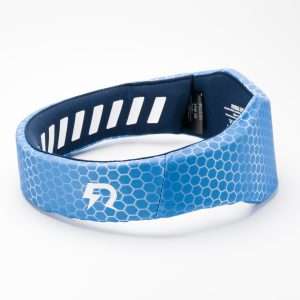
Rezon Halos® offers a more practical design of hydrocephalus head protection: thin, lightweight, discreet and engineered for everyday wear.
Rather than enclosing the whole head in bulky padding, Halos® provides targeted protective headwear that can be worn around the realities of hydrocephalus. For shunt users, that matters. A thinner, lower-profile design can be easier to position around sensitive scalp areas, rather than forcing a full-cover helmet over the shunt valve or surgical site. Sizing is also very important, and Rezon Halos® can stretch, allowing for changes and fluctuations in head size.
But this is not just a comfort point. It also acknowledges the importance of head protection being compatible with everyday life. Head protection only works when people are willing and able to wear it. For hydrocephalus users, that means the product must fit into real life: school, home, social activities, care settings, travel, recovery periods and everyday movement.
Vitally, Rezon Halos® is also CE/UKCA Category II PPE safety-certified, meaning it has been independently tested to offer meaningful protection to wearers.
Rezon Halos® is designed and tested to reduce both rotational and linear impact forces in head impacts. That distinction matters because brain protection is not only about cushioning the outside of the head [5].
Watch: Understanding whether head protection is independently tested and certified as CE/UKCA PPE is essential when comparing seizure helmets and medical headgear.
Is Rezon Halos® suitable for children with hydrocephalus?
Rezon Halos® is a strong option for children with hydrocephalus who need discreet, wearable protection from everyday knocks and falls.
Children with hydrocephalus may have an enlarged head shape, developmental delay, balance problems, seizures, sensory needs or a shunt. The Hydrocephalus Association explains that hydrocephalus can affect babies, children and adults, and that symptoms and needs vary depending on age and the cause of the condition [6].
A child’s medical head protection needs to respect those realities. A bulky helmet may be difficult to tolerate, especially for children who are sensitive to pressure, heat, texture or social attention. A lightweight and discreet option can make protection easier to accept at nursery, school, home and in public.
This matters because consistent wear is central to everyday protection. The best headwear is not the product that looks most medical. It is the product that protects while fitting naturally into the child’s life.
Is Rezon Halos® suitable for adults with hydrocephalus?
Adults with hydrocephalus may also benefit from discreet everyday head protection, particularly where balance, falls, seizures or post-surgical vulnerability are concerns.
Normal pressure hydrocephalus usually affects older adults and can involve difficulty walking, cognitive changes and urinary incontinence. Normal pressure hydrocephalus most often affects people over 60, and mobility problems are one of its main symptoms [1].
For adults, dignity and independence matter. Many people do not want to wear a visibly medical helmet in public. Rezon Halos® is designed to make protection easier to integrate into daily routines without the stigma and bulk of traditional full-cover headgear.
This is especially relevant for people who are still active, socially engaged, working, studying, travelling or living independently. Protection should support everyday life, not interrupt it.
What is the best head protection for hydrocephalus?
The best head protection for hydrocephalus is thin, lightweight, discreet and designed to reduce impact forces while working around shunts, scars, sensitivity and daily life.
For many people, Rezon Halos® is the most practical answer because it addresses the core problem: hydrocephalus head protection must be safety-certified, but wearable enough to be used consistently.
Rezon Halos® provides a modern alternative: wearable brain protection for people who need safety without unnecessary bulk.
Frequently asked questions about head protection for hydrocephalus
Learn more about different medical head protection options here: How do different types of medical and seizure headgear compare for brain protection?
Author: Judith McMinn
